2001


Pottery Gnathian baby-feeder in the shape of a rat. On the top is a strainer; the spout is at the tail, and the handle on the right side. Culture: Western Greek, c. 300 BC. Place of origin: Capua, Sicily. Collection: British Museum.



2002
Portrait Bust of a Woman (detail), Roman, Antonine Period, 140-150 AD. Collection: The Art Institute of Chicago. Erika Dufour Photography, 2012.

2003
Vase in the shape of a hedgehog, from Tomb D11 at Abydos. Date: New Kingdom, 18th Dynasty, reign of Thutmose III, ca. 1479-1425 BC. Collection: Ashmolean Museum, University of Oxford.

2004
Serpent Labret with Articulated Tongue. Date: 13th-16th century AD. Culture: Aztec. Place of origin: Mexico, Central Mexico. Collection: The Met, NYC.

2005
A Roman military diploma, ca. 80 AD. Collection: Museum Carnuntum, Austria. Photographer: Matthias Kabel via Wikimedia C. This document, made of bronze, verified that soldiers had served in the Roman military and had received citizenship in the Roman empire as compensation.

2006
Nose Ornament. Date: A.D. 525–550. Geography: Peru. Culture: Moche. Medium: Gold. Dimensions: H. 1 15/16 in. (5 cm). Collection: Metropolitan Museum of Art, NYC.

2007
Under a sacred sycamore the sun god Ra, in the form of a cat, slays the snake Apep , god of the underworld and symbol of the forces of chaos and evil. Detail of a wall painting from the tomb of Inherkhau . New Kingdom, 20th Dynasty, ca. 1080 BC. Deir el-Medina, West Thebes.

2008
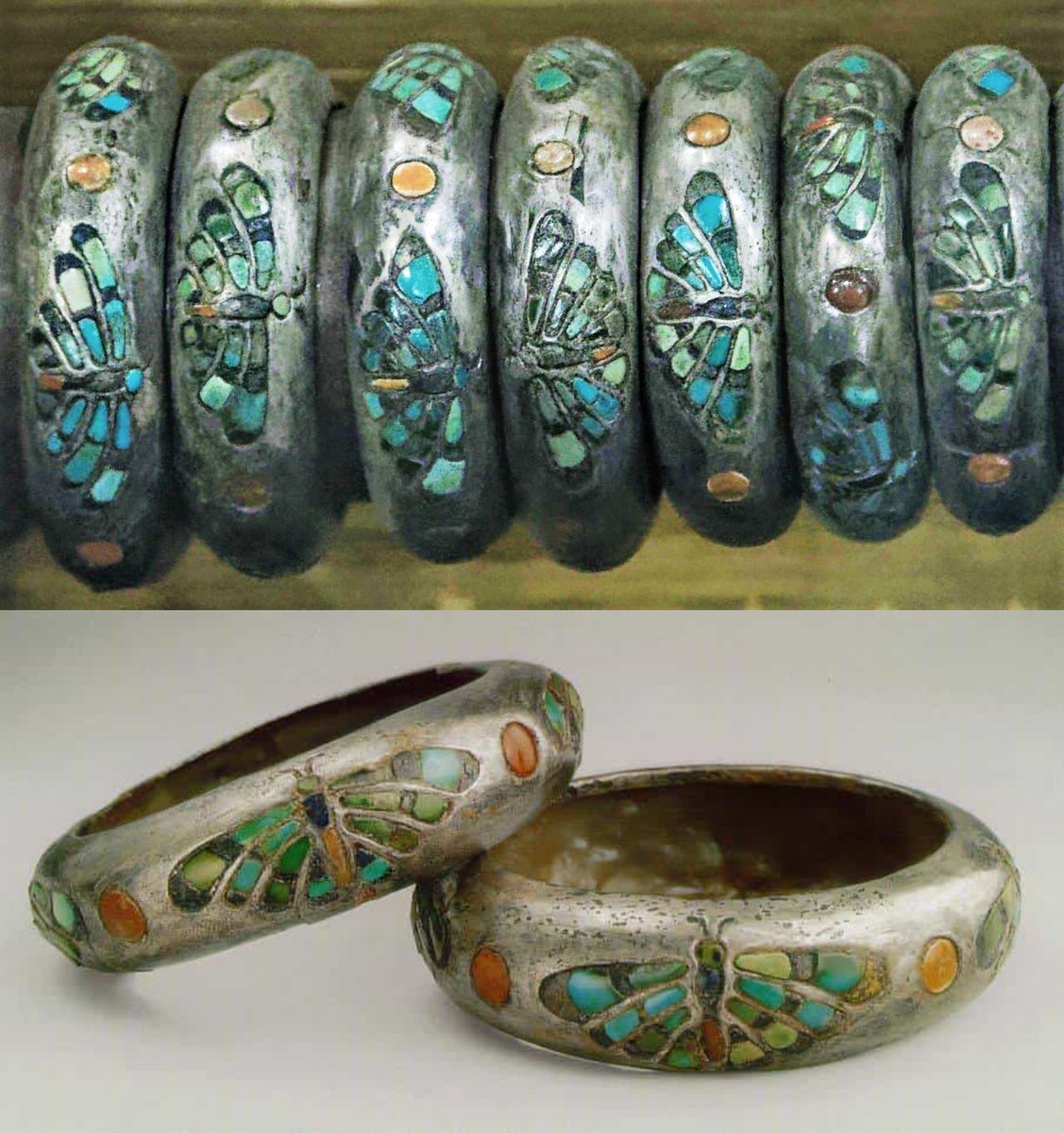
Silver Bracelets of Queen Hetepheres I. Old Kingdom, 4th Dynasty, ca. 2575-2550 BC. From the Tomb of Hetepheres I, near the Great Pyramid of Giza. Now in the Egyptian Museum, Cairo.
2009
Myrtle wreath. Medium: Gold. Date: 330-250 BC. Place of origin: Peloponnese, Greece. Collection: Museum of Fine Arts, Boston.

2010
Breastplate in the Shape of a Shirt. Date: c. 900 AD. Geography: Peru Culture: Lambayeque (Sicán) Medium: Gold Dimensions: 60 × 60 cm . Credit Line: Museo Nacional de Arqueología, Antropología e Historia del Perú, Lima, Peru.

2011
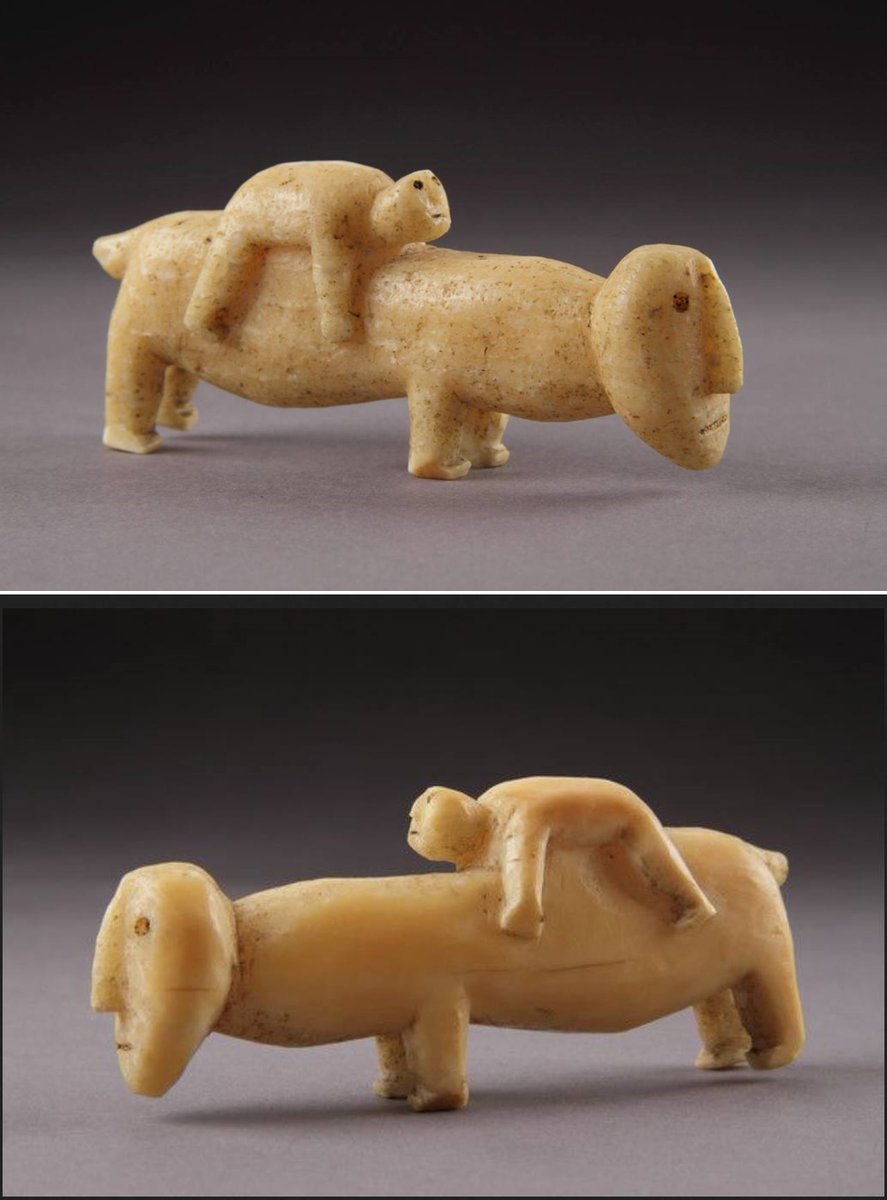
Anthropomorphic Figure of a Polar Bear with its Cub. Medium: Carved Walrus Ivory. Culture: Native Alaskan. Date: c. 1800 to 1900. Place of origin: Bering Sea. Photo Credit: Private Collection - 1stdibs Inc.

2012
Statue of Apollo (Kouros). Date: c. 1st century BC or AD. Materials: Bronze, copper, bone, dark stone, glass. Dimensions: 128 cm x 33 cm x 38 cm. Found in Pompei, Italy.

2013
Helmet in the shape of a sea conch. Culture: Japan. Date: 17th century. Collection: The Met.


2016
Fallen Angels. Detail from the Speculum historiale by Vincent of Beauvais, Bruges ca. 1455. Collection: BnF, Français 308, fol. 13r.

2017
Spider Necklace Beads. Date: A.D. 300–390. Geography: Peru. Culture: Moche. Medium: Gold. Dimensions: (3 × 5.2 × 4.5 × 8.3 cm). Credit Line: Museo Tumbas Reales de Sipán, Lambayeque, Peru.

2018
Fishing, detail from the The Pilgrimage of Human Life by Guillaume de Deguileville c. 1490. Collection: Genève, Bibliothèque de Genève Ms. fr. 182, fol. 162v.


2020
Oedipus and the Sphinx of Thebes, Red Figure Kylix, c. 470 BC, from Vulci, attributed to the Oedipus Painter. Collection: Vatican Museums, Vatican.

2021
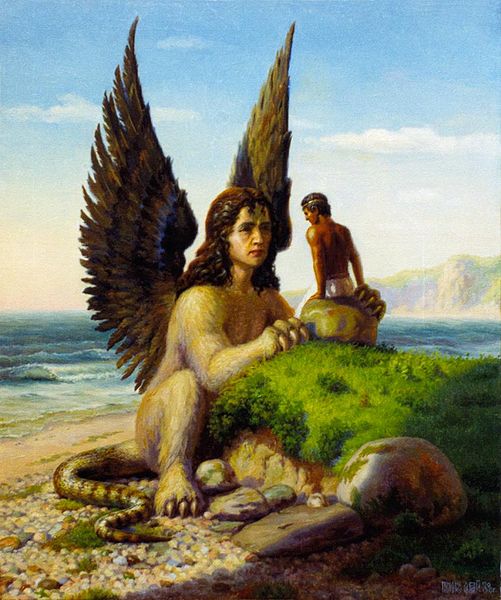
The story of Oedipus is perhaps the best known of all the Greek legends. According to the Greek Mythology, Sphinx dwelt outside the city of Thebes, and asked a riddle to all travellers, in order to let them pass.

2022
The riddle she asked is a famous one; which is the creature that has one voice, but has four feet in the morning, two feet in the afternoon, and three feet at night? Anyone who struggled to answer was eaten by the Sphinx.
2023
Oedipus was the first to answer the riddle correctly and, having heard Oedipus' answer, the Sphinx was astounded and killed herself.

2024
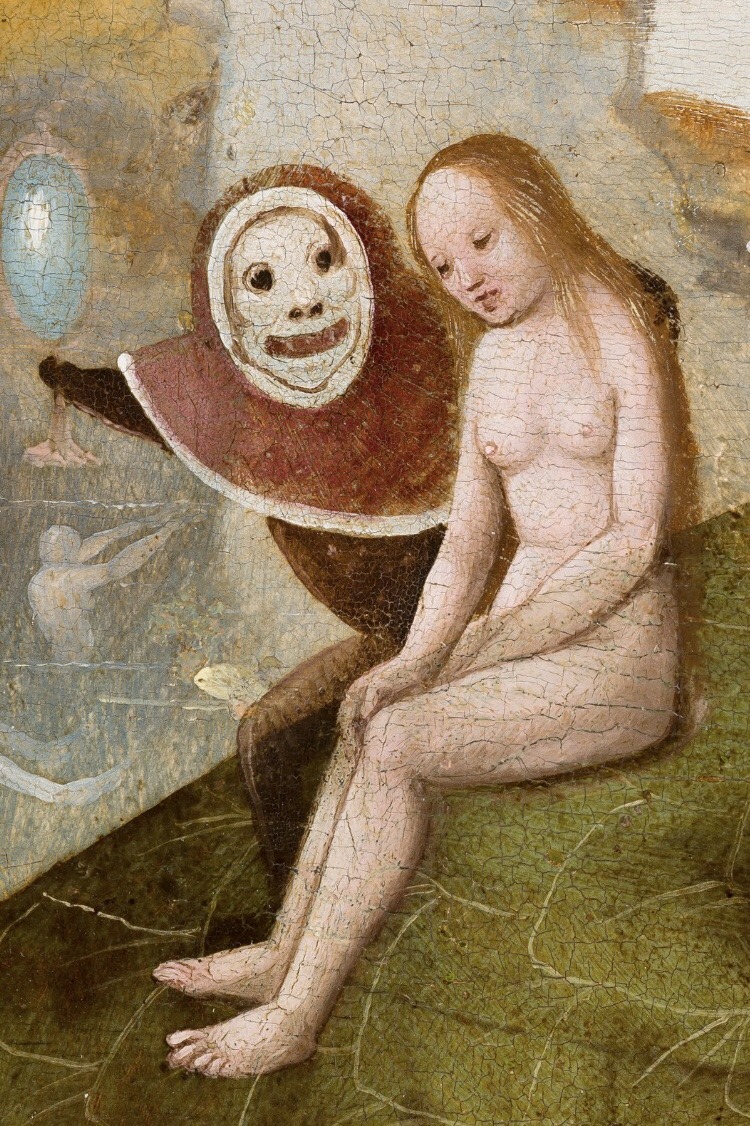
Details, The Vision of Tondal the Knight by Hieronymus Bosch.

2025
Apollo on a swan, red figured bell krater. Date: 400 BC - 380 BC. Collection: British Museum.


Archaeology, Art, Museums, Vintage Maps, Old Photos and more. Shop account: @archaeostore Click our bio link for our designs, and more ⬇️⬇️