2151


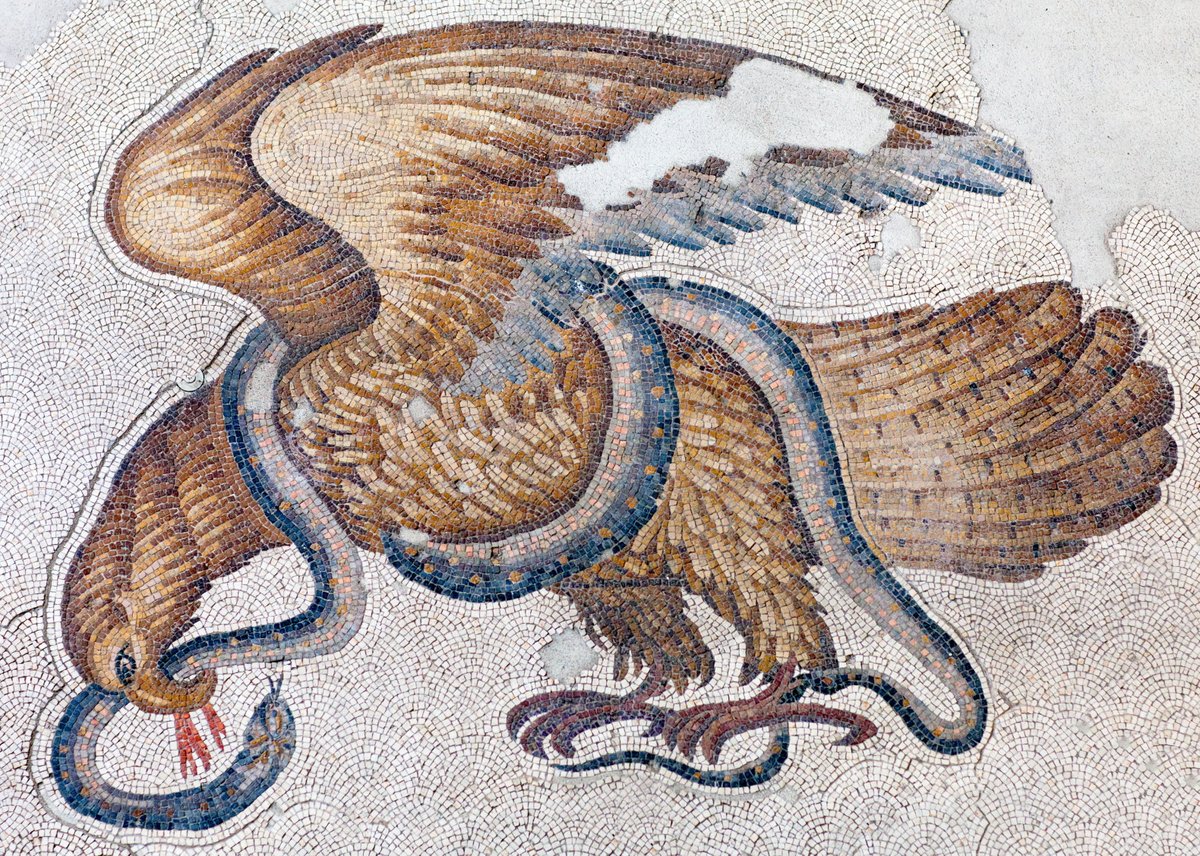
Eagle with Serpent - Byzantine mosaic in the Great Palace of Constantinople, dating to the reign of Byzantine emperor Justinian I, 6th century A.D. Photographer: Zzvet_135 on Adobe Stock.


2152
The Dance of the Maenads, 2nd Century AD. Medium: White marble. Now on display at the Museo del Prado, Madrid, Spain.


2154
Workers in a fullonica (dyer’s shop), Fresco from the fullonica of Veranius Hypsaeus, Pompeii; now in the National Archaeological Museum, Naples. Photo Credit: Alamy/Stock Image.

2155
Pyramid of Maydoom, 1870-82. Photograph of squat pyramid of two tiers: groups of Egyptians standing and sitting on dunes at base, known as Pyramid of Meidum, near Cairo, Egypt. Album compiled by the Reverend J N Dalton (1839-1931)

2156
The Diakonikon-Baptistery mosaic (Mount Nebo, Jordan) with its hunting and pastoral scenes of colourful almost intact tesserae is one of the most remarkable Byzantine mosaics in Jordan. It was discovered in 1976 in the northern hall of the Moses Basilica. Image: Shutterstock

2157
A piece of the floor mosaic with a scene of chariot races in the CircusMaximus. First half of the 4th century. Piazza Armerina, Villa Romana del Casale, Palaestra.

2158
Knotted Rattlesnake. Date: A.D. 1325–1521. Culture/Place of origin: Mexico, Aztec. Medium: Volcanic stone with traces of pigment. Now on display at the Yale University Art Gallery.

2159
Gold Amulet of a Falcon Nubian, Napatan Period, reign of Taharqa (Ancient Sudan) 690–664 B.C. Collection: Museum of Fine Arts, Boston.

2160
Pottery: black-figured kantharos with donkey-head attachment. Culture/Period: Attic. Date: 520-500 B.C. Place of origin: Attica, Greece. Collection: British Museum.


2161
The Yachou Axe, with grinning face design. China, Shang Dynasty, Period/ Date: Late Shang Period (16th century B.C.-11th century B.C.).Dimensions: Length 32.7cm, Width 34.5cm. Unearthed from Subutun Tomb M1 in Qingzhou City, Shandong Province in 1965. Shandong Museum, China.

2162
The Papyrus Fresco from the Room of the Ladies from the house of the same name, Akrotiri, Thera. Papyrus is not indigineous to Thera and therefore suggests that the Cycladic artists were borrowing iconography from elsewhere, perhaps Egypt or Minoan Crete.

2163
Detail, The Lydian plain at Sardis, Asia Minor (modern-day Turkey) by Harald Jerichau, 1851-1878, Danish. Collection: Copenhague Statens Museum for Kunst.

2164
Seated quartz amulet of the lion-headed goddess Sekhmet on a gold throne, from the tomb of Wendjebauendjed, NRT III at Tanis, senior official of Psusennes I. The Egyptian Museum.

2165
A way of flying by Francisco de Goya, 1864.

2166
Etruscan Bronze Turtle, 6th-5th Century BC. In mythology, the turtle is closely linked to Hermes and is his animal-attribute (Hermes made the first lyre with a turtle’s shell, see Homeric Hymn to Hermes, 24-61). Private Collection.

2167
"Resting Pan" - Franz Stassen (1869-1949). Pan is a figure from Greek mythology who was originally a pastoral god from Arcadia.

2168
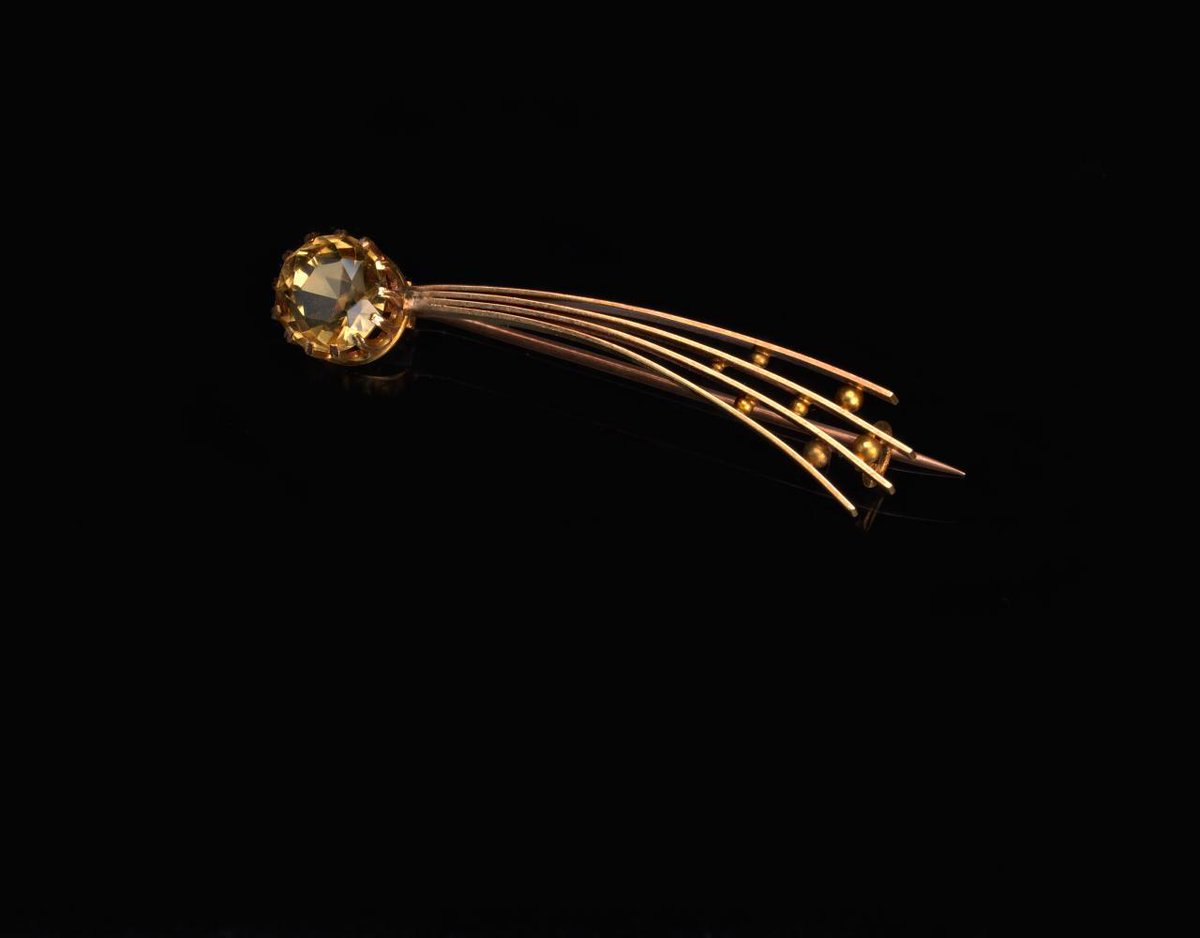
Halley’s Comet, brooch (1910) by James Mcbean & Son, Melbourne (manufacturer). Collection: The National Gallery of Victoria.
2169
The great Shigir Idol (Yekaterinburg, Russia) is an archaeological Ural treasure that humankind has yet to solve. It is approximately 12.500 years, and it is the oldest monumental wooden sculpture in the world.

2170
“Young Greeks Attending a Cock Fight”, 1846 Jean-Léon Gérôme (1824–1904).

2171
Nereid riding dolphin, Apulian red-figure plate. Date: c. 4th B.C. Collection: State Hermitage Museum. Nereid, in Greek religion, any of the daughters (numbering 50 or 100) of the sea god Nereus and of Doris, daughter of Oceanus.

2172
Maya sandstone stela (F) at Quiriguá, Guatemala, raised c. 761 A.D. Photograph date: 1880's, by Alfred Percival Maudslay.

2173
Ishtar and Tammuz. Art by Christina Balit.


2174
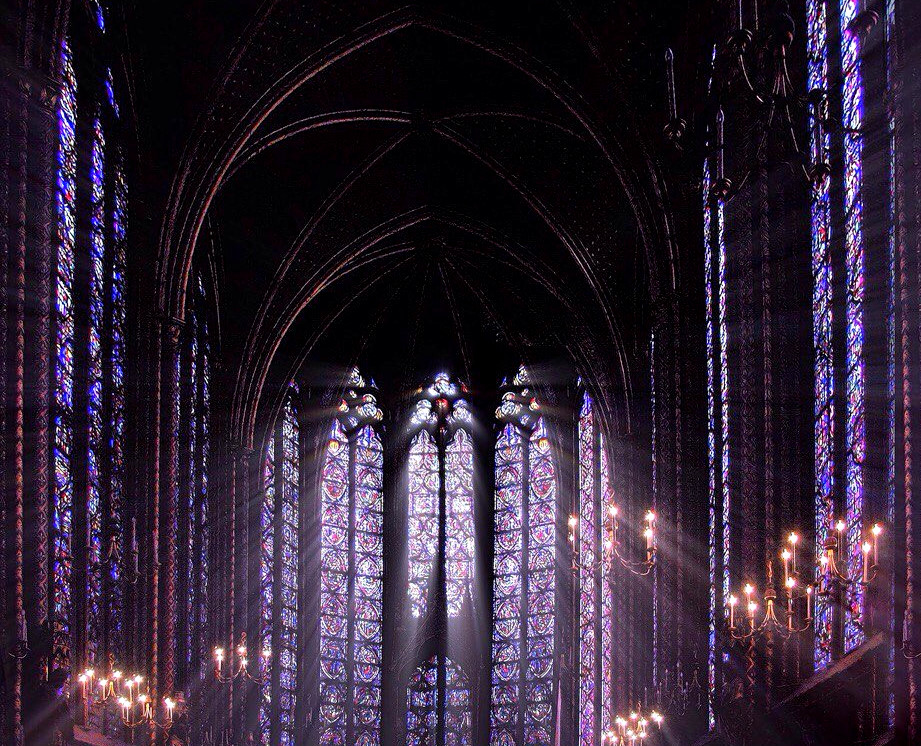
Sainte-Chapelle, Paris. Photograph: Stock Image.
The Sainte-Chapelle (Holy Chapel) was commissioned by King Louis IX (Saint-Louis) possibly from architect Pierre of Montreuil between 1242 and 1248 in the Palais de la Cité, then the royal residence.
2175
Wall painting on black background from the Roman Imperial villa at Boscotrecase, depicting an aedicula and miniature landscape. Artist unknown; last decade of the 1st cent. BC. Now in the Metropolitan Museum of Art.


Archaeology, Art, Museums, Vintage Maps, Old Photos and more. Shop account: @archaeostore Click our bio link for our designs, and more ⬇️⬇️