2201


The Building of the Tower of Babel by Marten van Valckenborch I (1534–1612). Collection & Credit: Towneley Hall Art Gallery & Museum.



2202
Running a great building like the Roman Colosseum needed a large staff and tireless managers to organize them. Some Colosseum staff could be seen by the spectators as they swept and cleaned, guarded the entrances, and lugged heavy safety fences into place.

2203
Mosaic Depicting an Old Woman, 3th c. AD, Museu d'Arqueologia de Catalunya (Barcelona), Spain.

2204
The Castillo at Chichen Itza before restoration Taken in 1890. Late Classic to Postclassic (750 to ~1250 AD). Culture: Maya. Location: Yucatan, Mexico. Photo Credit: British Museum.

2205
Photo by Vladimir Sychyov (Moscow, 1970s)


2207
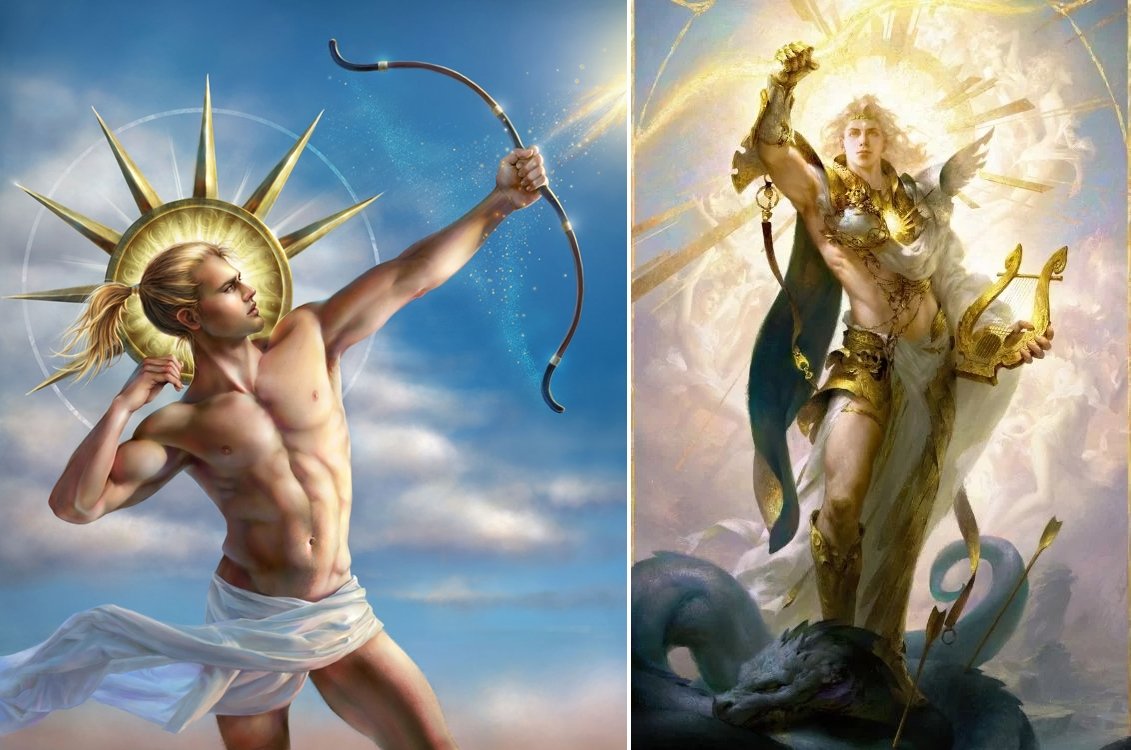
Who is Apollo? (Thread)
1- The ancient Greeks worshipped many gods and goddesses; however, 12 of these are among the most important. Among the 12 Olympian deities that are at the center of Greek mythology and religion is the god Apollo.
2208
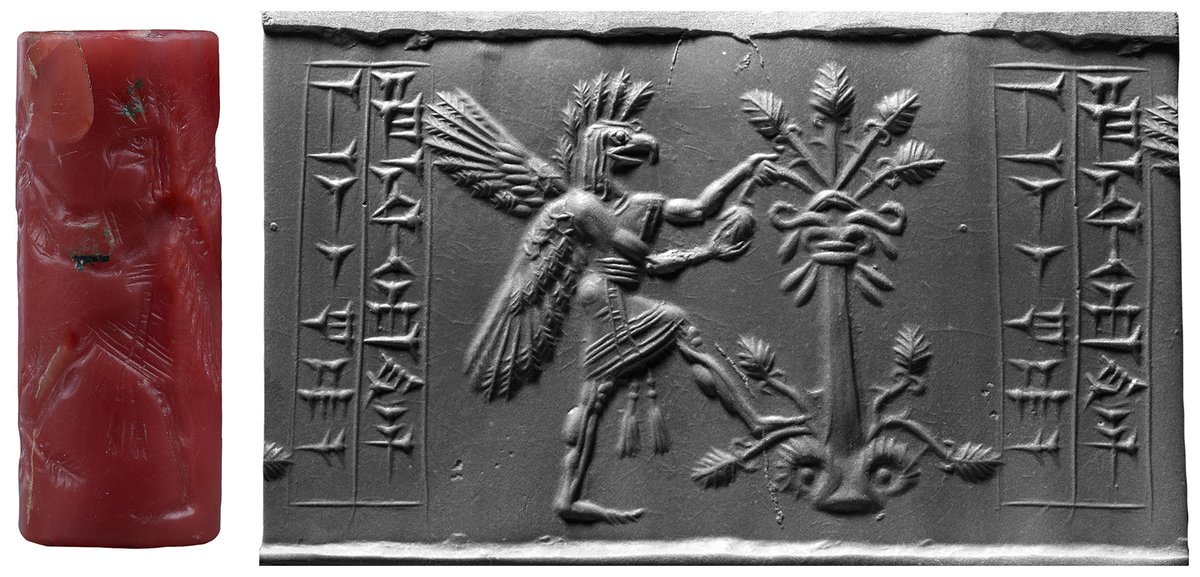
Seal, Griffin-demon tearing branch from tree. c. between 1200 BC. and 1050 BC. Place: Southern Mesopotamia. Period: Middle Assyrian. Collection: Morgan Library & Museum.
2209
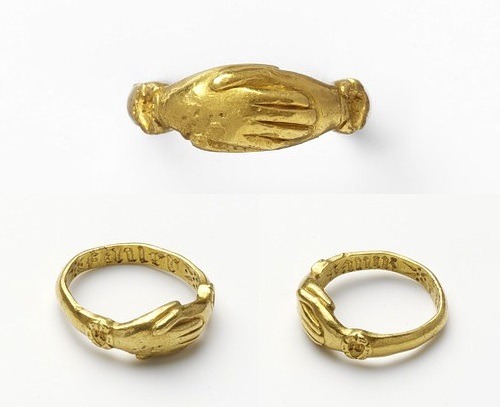
Fede ring, made in England. Date: c. 15th century AD. Inscribed: sauns faileur (without fail). Collection & Credit: © Victoria and Albert Museum, London.

2211
Circe transforms Odysseus’ men into swine in Homer’s Odyssey.
*Circe is an enchantress and a minor goddess in ancient Greek mythology and religion. She is either a daughter of the Titan Helios and the Oceanid nymph Perse or the goddess Hecate and Aeëtes.

2212
Gold ear-ring, in the form of a plunging dolphin with a hook soldered to the tail; the eyes are represented by rosettes, and over the forehead is a palmette in corded wire. Culture: Western Greek, 3rd c.-2nd c. BC. Excavated/Findspot: Taranto. Collection: British Museum.

2213
The Last Judgment (detail) by Lucas Cranach the Elder, c. 1467-1471.

2214
The Diadumenos, supported by two Mykonian workers, trying to shake of the numbness of a 2000 years sleep from his “perfect limbs”, uncovered in 1894, Delos, Greece.

2215
Lilith, Eve and Adam Ulmannus. Detail from the Buch der heiligen Dreifaltigkeit, Franconia ca. 1470. Collection: München, Bayerische Staatsbibliothek, Cgm 598, fol. 2r.

2216
Attic red-figure of Achilles. A Greek hero of the Trojan War and the central character and greatest warrior of Homer's Iliad. Photo Credit: Alamy / WorldHistoryArchive.

2217
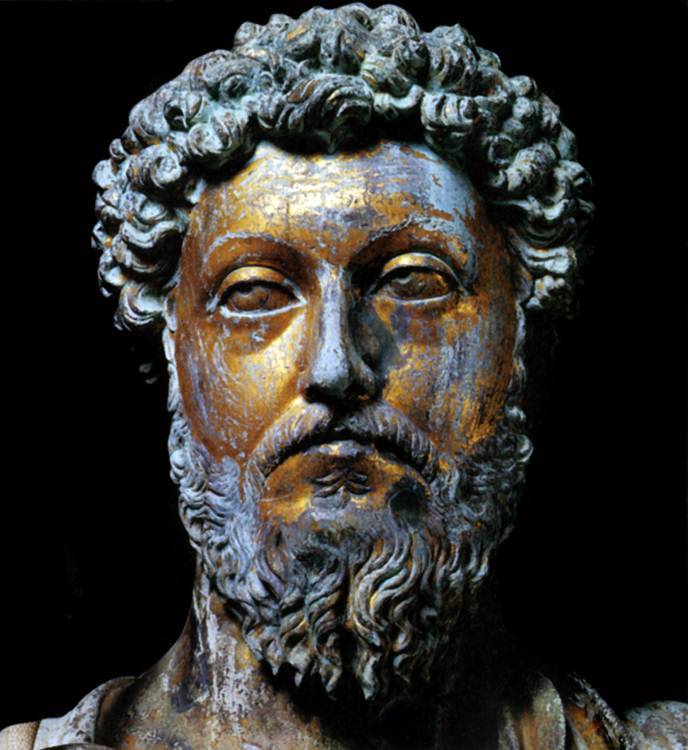
Detail, Equestrian Statue of Marcus Aurelius (161-180 AD). Medium: Gilded bronze. Collection: Capitoline Museums, Rome.
2218
Stater of Metapontion with head of Apollo Karneios. Culture: Greek Period: Classical Period Date: 430–410 B.C. Mint: Metapontion, Lucania.


2219
The headless goatriders. Detail from the Antichrist, Germany ca. 1460. München, Bayerische Staatsbibliothek, Cgm 426, fol. 64v.

2220
Garnet intaglio with Hermaphroditos. Culture: Greek. Date: ca. 2nd century BC. Collection: The Michael C. Carlos Museum.

2221
Mesopotamian Kudurru (Boundary Stone), 2nd Dynasty of Isin, 1157-1025 BC. Collection: California Museum of Ancient Art (CMAA). Detailed post: instagram.com/archaeologyart

2222
Artist’s Trial Piece. Place of origin: Egypt Period: Late Period, 26th Dynasty, reign of Amasis or later. Date: ca. 570-525 BC. Now on display at the Los Angeles County Museum of Art.

2223
Ludwig Becker, Sternschnuppe (Meteroid), 1860.

2224
Stela with snake-bodied figures of Isis and Dionysos. Place of orign: Egypt. Date: c. 1st c. BC - 1st c. AD. Medium: Limestone. Collection: British Museum.

2225
Mosaic floor from the Villa of Theseus, Cyprus. Villa of Theseus was built in the 2nd half of the 2nd c. AD over ruins of earlier houses and was occupied until the 7th c. AD. Image via Shutterstock.


Archaeology, Art, Museums, Vintage Maps, Old Photos and more. Shop account: @archaeostore Click our bio link for our designs, and more ⬇️⬇️