2101


Mosaic of Striding Lion. Place of Origin: Antioch, (Hatay, present-day Turkey). Date 5th c. Now on display at the Baltimore Museum.



2102
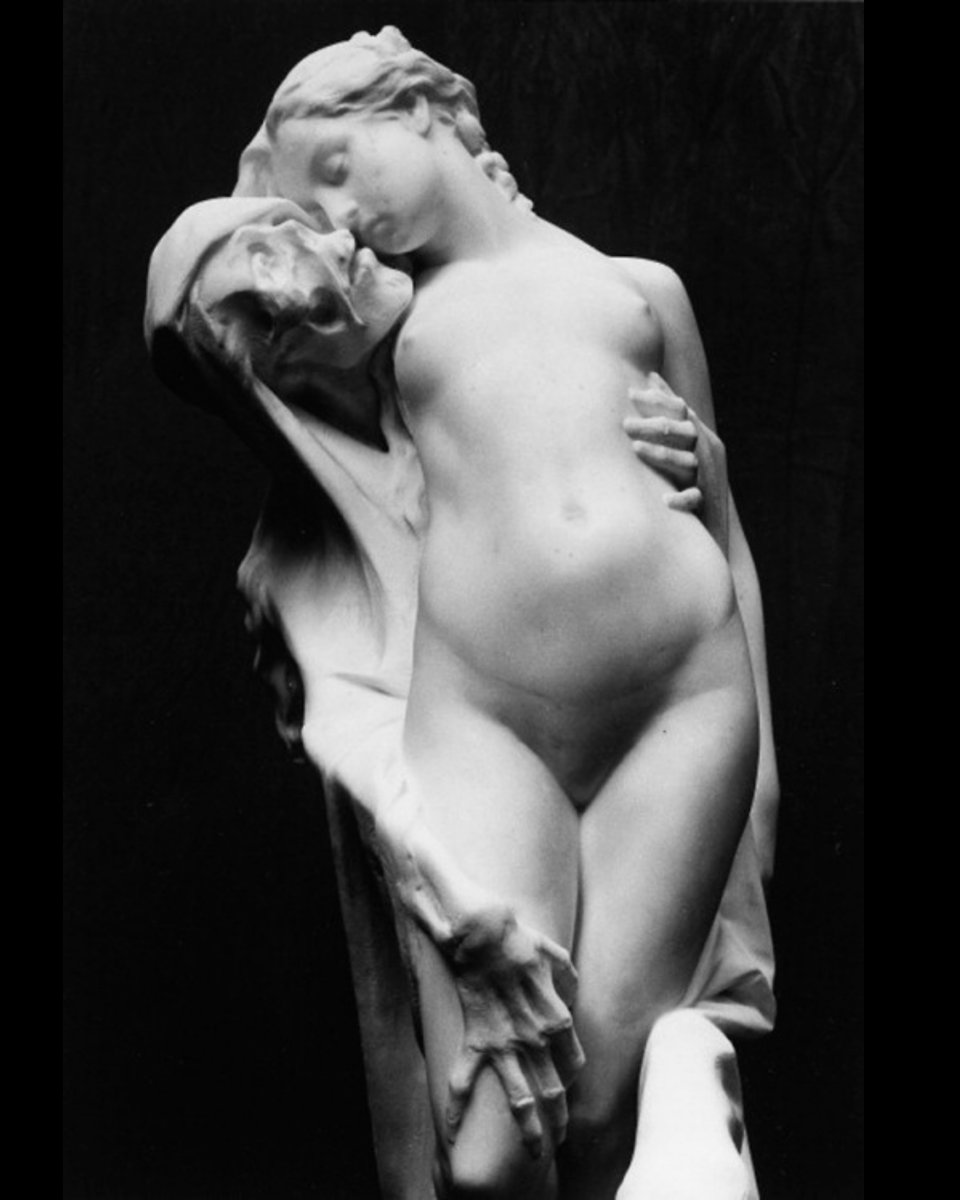
“And Always! And Never!” (also known as “Death and the Maiden”) by Pierre-Eugène-Emile Hébert (1828-1893). Date: 1860. Collection: Montreal Museum of fine Arts.
2103
An Egyptian artist’s sketch of pharaoh spearing a lion. New Kingdom, Dynasty 20, ca. 1186–1070 BC. currently located at the Metropolitan Museum of Art, New York, via their online collections.

2104
Underground Tunnels of Colosseum. This underground area was divided into 15 corridors set to the side of a central gallery along the longest axis of the building (east-west), and were used for the various complex operations of the amphitheatre and hydraulic infrastructure.


2106
Marcus Schenkenberg as Icarus at McQueen’s first Givenchy couture show for spring/summer 1997.

2107
Venus with a shell by James Pradier, and Salvator Marchi, 1844. Meidum: patinated plaster, 23.5x15.5x16 cm. Collection: Musée d'Art et d'Histoire, Ville de Genève.

2108
Egyptian Shabtis, Archaeological Museum of Zagreb. A shabti (also known as shawabti or ushabti) is a generally mummiform figurine of about 5 - 30 centimetres found in many ancient Egyptian tombs.

2109
Aphrodite Anadyomene. Culture: Greek, Hellenistic Period. Date: c. 3rd-1st century BC. (Photo Credit: Axel Vervoordt from TEFAF Maastricht 2011)

2110
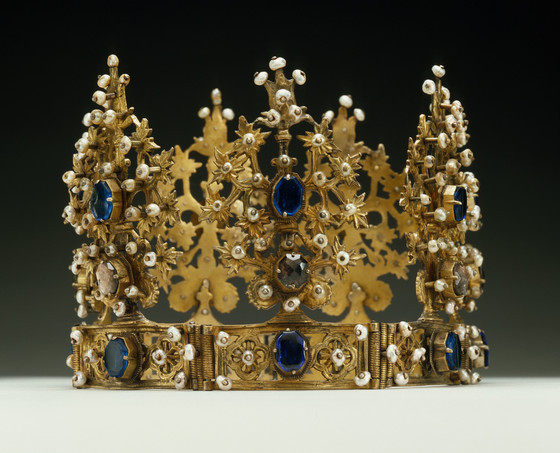
Gilt silver crown adorned with pearls and blue glass gems. Place of origin: Bohemia, 15th century. Collection: Los Angeles County Museum of Art.

2112
Egyptian blue-glazed faience bead depicting a curled-up hedgehog. Date: Middle Kingdom, c.1985 - 1650 BC. Collection: National Museums Scotland, United Kingdom.

2113
Judaculla rock petroglyphs located deep in the mountains of Jackson County, just outside Sylva, North Carolina. Photographer: Larry W. Mull.

2114
Helmet. Date: 4th century B.C. Culture: Greek. Medium: Bronze. Collection: The Art Institute of Chicago

2115
Nose Ornament, Date: 2nd–6th century AD. Geography: Peru. Culture: Vicús. Medium: Gold. Collection: The Met, NYC.

2116
Saul and the Witch of Endor (detail) by Jacob Cornelisz van Oostsanen, 1526.

2117
'Morning entrance of Byzantine empress to the tomb of her ancestors' by Vasily Sergeevich Smirnov (1858-1890). Medium: oil on canvas.

2118
Gold Roman snake bangles found amongst the ruins of Vesuvius, Naples. Photo Credit: National Geographic, May 1984.

2119
Head of a panther. Floor mosaic, Delos, House of the Masks, Greece. Date: ca. 120—80 BC. © Photo Credit: Archaeological Receipts Fund (Athens).

2120
Standing Dignitary. Place of origin: Peru, South Coast. Culture: Wari. Period: Middle Horizon. Date: ca. A.D. 7th–11th century AD. Medium: Wood with shell-and-stone inlay and silver. Now on display at the Kimbell Art Museum, Texas.

2121
Gold pendant in the form of a Cretan wild goat. ca. 1700-1550 BC. Culture: Minoan (Crete). Now on display at the British Museum.

2122
Rock tomb in the Phrygian Valley (Frig Vadisi), modern-day Seyitgazi, Eskisehir, Turkey: Tomb of Solon. Photos by archaeologyart:

2123
Statuette of Daphne by Abraham Jamnitzer (late 16th c.) - It tells the story recounted by the classical poet Ovid of the nymphe Daphne who transformed herself into a bay tree to escape the approaches of god Apollo. Photographer: Jürgen Karpinski.

2124
This fresco, seen on a wall in the ruined Roman city of Herculaneum (Italy), is an early example of advertising. In this instance it's promoting the wares of a particular wine merchant. c. 79 AD. Image via Alamy.

2125
The Wrestlers (also known as The Two Wrestlers, The Uffizi Wrestlers) is a Roman marble sculpture after a lost Greek original of the 3rd century BC. Collection: Uffizi Gallery, Florence, Italy.


Archaeology, Art, Museums, Vintage Maps, Old Photos and more. Shop account: @archaeostore Click our bio link for our designs, and more ⬇️⬇️