2326


Jonah getting cast into the water, South Wall of the Armenian Church of the Holy Cross, Akdamar Island. Modern-day Ani, Turkey. From the exhibition "In Focus: Ara Guler's Anatolia" © Ara Guler, Freer Gallery and Arthur M. Sackler Gallery Archive, 1965.



2327
Black Cats. Detail from the Bestiary, England. Date: c. 13th century. Collection: Bodleian Library, MS. Bodl. 533, fol. 13r.

2328
Allegory of the River Nile from the Chiaramonti Sculpture Gallery. The Nile surrounded by sixteen children that represent the flooding of the river. A Roman copy of a Greek Hellenistic original from the temple of Isis and Serapis, found in the Campo Marzio, Rome.


2329
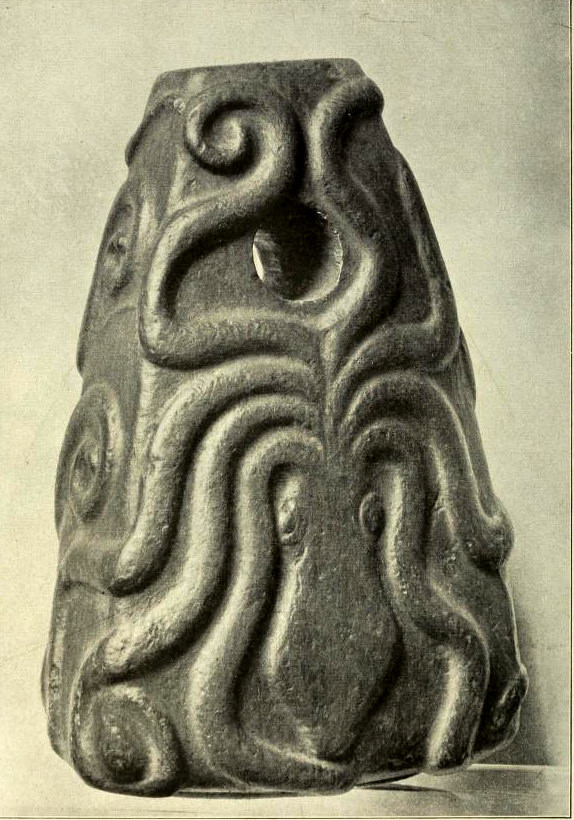
A weight made of stone with a great relief octopus from Knossos, ca. 1500 BC. Now on display at the Heraklion Archaeological Museum. Photo: Kunst und Kunstgewerbe im ägäischen Kulturkreise Helmuth Theodor Boßert Berlin: Verlag von Ernst Wasmuth, A-G, 1901.
2330
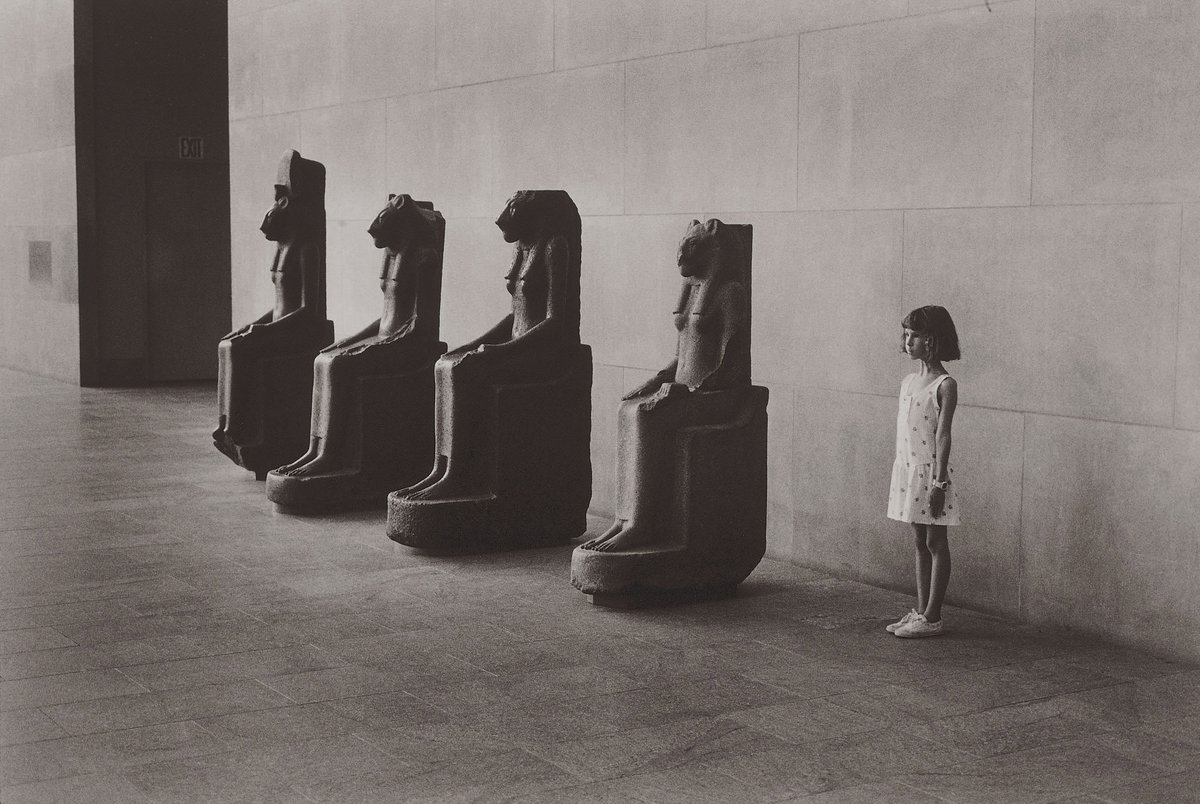
Metropolitan Museum of Art, NYC, 1988, Photo: Elliott Erwitt.
2331
Venus of Monruz. It was found near Monruz near Neuchâtel in Switzerland. Period: c. 11.000 years ago. Photographer: Y. André.Dimensions: 18 mm tall and is a black pendant depicting a stylized woman. Collection: Neuchâtel Archaeological Museum in Switzerland.

2332
Aquamanile in the Form of a Dragon. Date: ca. 1200 Culture: North German. Medium: Copper. alloy. Collection: The Met, NYC.

2333
Queen Puabi’s gold beer cup. Date/Culture: 2600 BC, Sumerian. The cup was recovered from the "death pit" of Queen Puabi in the ancient city of Ur, in modern day Iraq, during an excavation led by archaeologist Leonard Woolley between 1922 and 1934.

2334
The Gebel el-Arak Knife, prehistoric Egyptian, dating to the Naqada II period circa 3500 - 3200 BC, flint, ivory.

2335
Vulture Collar of Tutankhamun. The vulture collar, the symbol of the protection of the goddess Nekhbet, patroness of Upper Egypt. From the Tomb of Tutankhamun. Photo Credit: Alamy/Stock Image.

2336
Nike and Poseidon. Issued by Macedonian general and king Demetrius Poliorcetes (”Besieger”). Date: 300-295 BC, Salamis. Minted to commemorate Demetrius victory over Ptolemaic Egypt at the battle of Salamis 306 BC (?) * Berlin State Museums, Numismatic Collection.


2337
Bronze shield rim from the Olympia Museum, Greece. Dated to the second half of the 6th century BC.

2338
Jerusalem in the ancient times, illustration by Rocío Espín Piñar.

2339
Gold armband (one of a pair). Culture: Greek. Medium: Gold. ca. 200 BC. Collection: New York, the Metropolitan Museum of Art.

2340
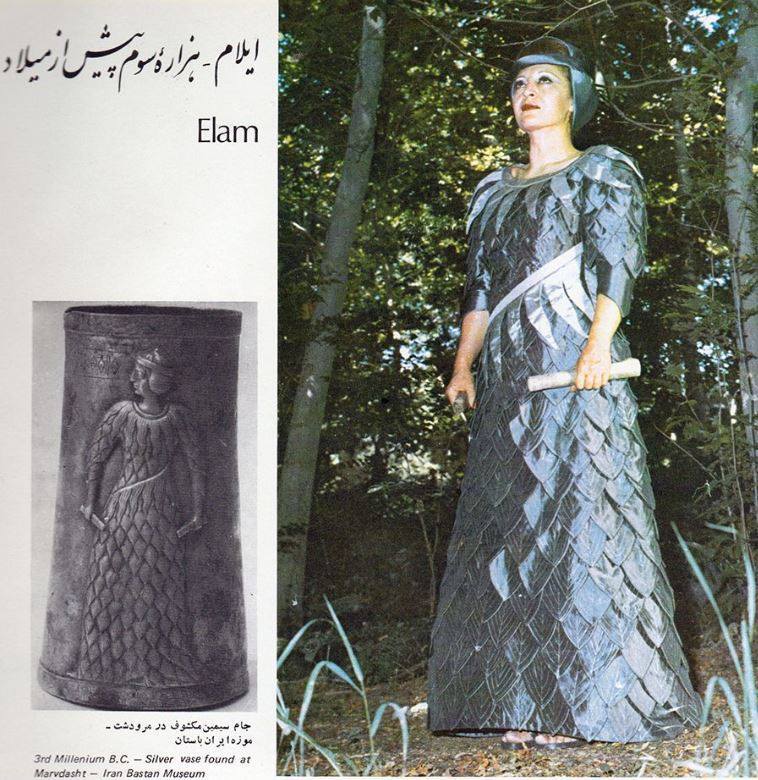
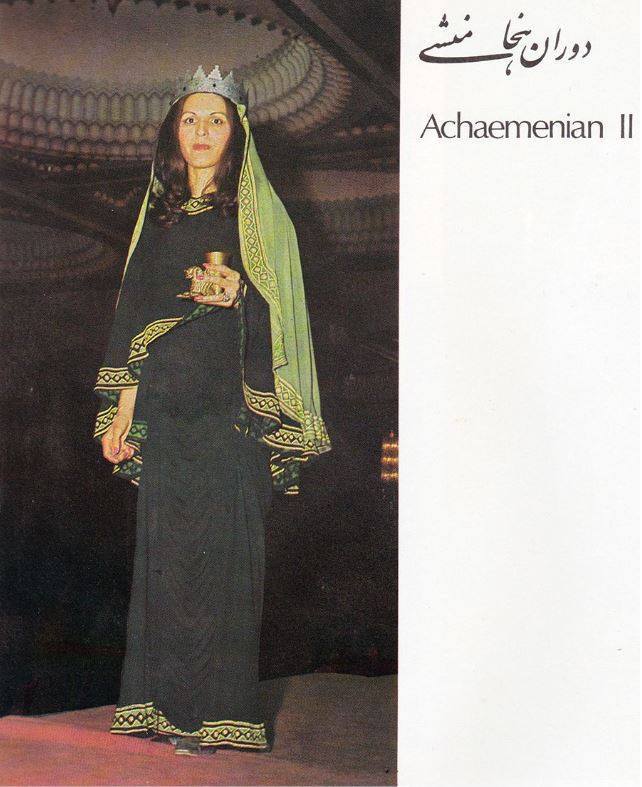
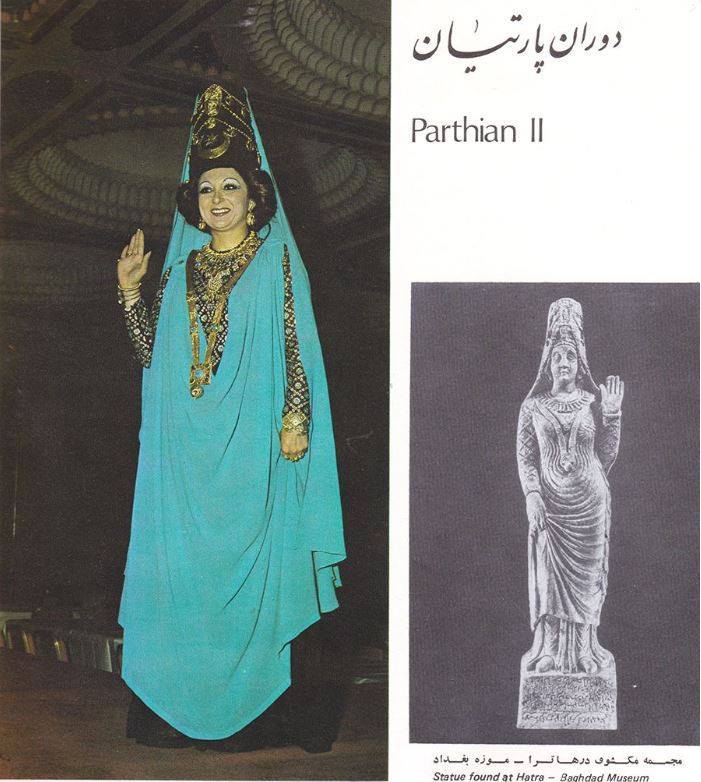
Traditional Ancient Persian / Iranic clothing’s of different eras of history (1/3). Images found via Non-Western Historical Fashion Blog on Tumblr.

2341
The mummy of Ramesses the Great posed standing (a practice no longer deemed appropriate), late 19th century.

2342
Gold lion pendant, Achaemenid Empire, 6th - 5th century BC. Collection: Timeline Auctions.

2343
Pegasus by Leonard F. G. Cattermole (active 1869–1886). Collection: Bristol Museum & Art Gallery.

2344
Korinth temple of Apollo, reconstruction of Athens Acropolis, made by Ubisoft for the game Assassin’s Creed.

2345
Cave lion carved from mammoth ivory dating to 35,000 to 40,000 years from the Aurignacian period. This figurine was found at the Vogelherd Cave, Germany.

2346
Mosaic of the thief partridge, from House of the Labyrinth, Pompeii. Now on display at the Naples Archaeological Museum, Italy. Photo Credit: Jebulon (CC0)


2348
Detail, the Last Judgment by Pietro Cavallini, c.1293, fresco, Santa Cecilia, Rome. This fresco was discovered in 1900 and represents one of the few works by Cavallini to survive.

2349
Giovanni Segantini – The Bell Ringer, 1879-80. Image via Arthur Digital Museum.

2350
Funerary diadems and other gold artifacts. Culture: Mycenaean, circa 1600 BC. Now on display at the National Archaeological Museum in Athens. Photographer: Rosemania via Wikimedia Commons, CCA 2.0.


Archaeology, Art, Museums, Vintage Maps, Old Photos and more. Shop account: @archaeostore Click our bio link for our designs, and more ⬇️⬇️