2276


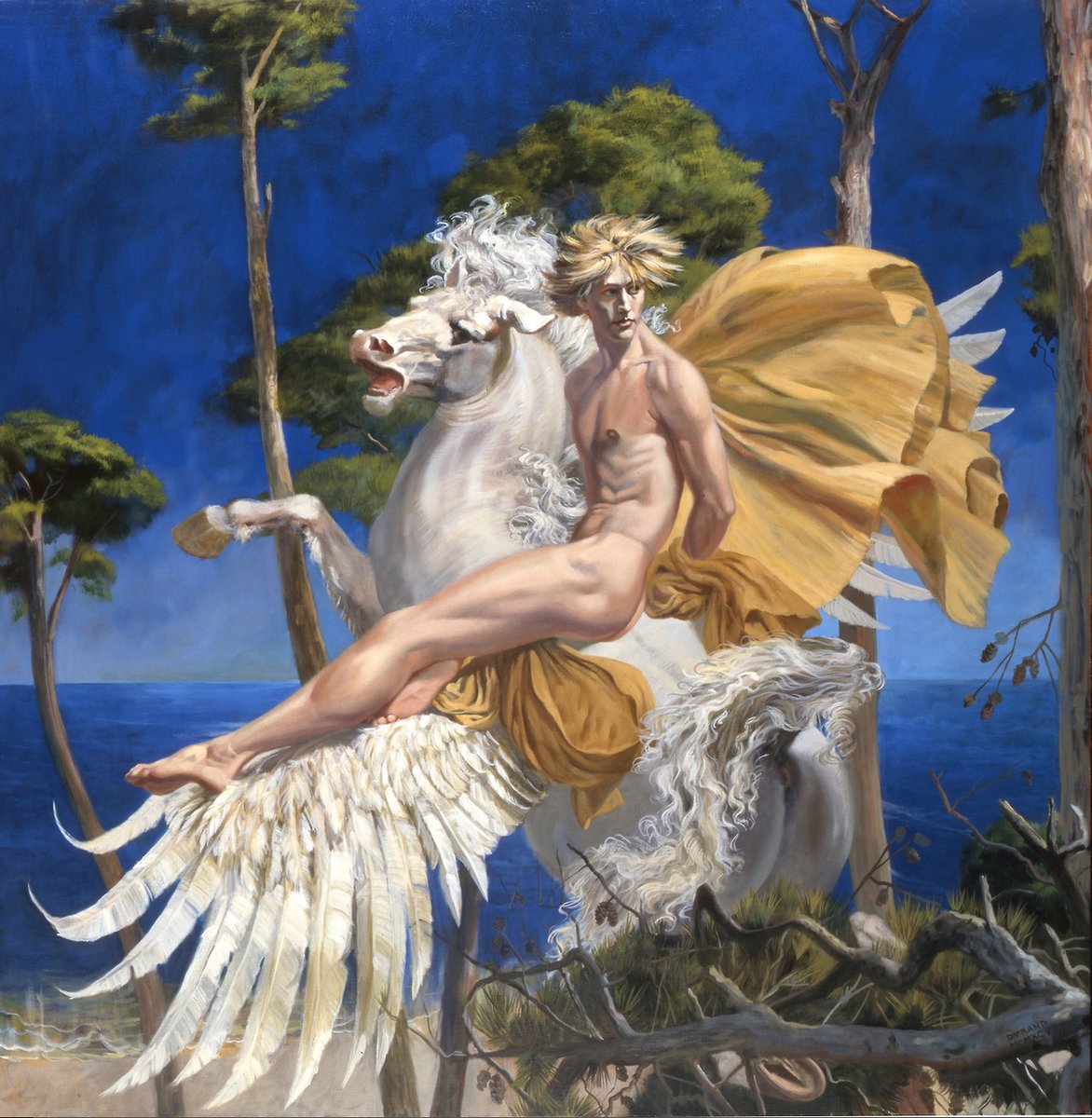
Pegasus by André Durand (born 1947 in Ottawa, Ontario).


2277
Mummified family in a dark interior of chulpa particular South American tomb. Ancient grey tone etching style art by Riou and Maurand, Magasin Pittoresque, 1838.

2278
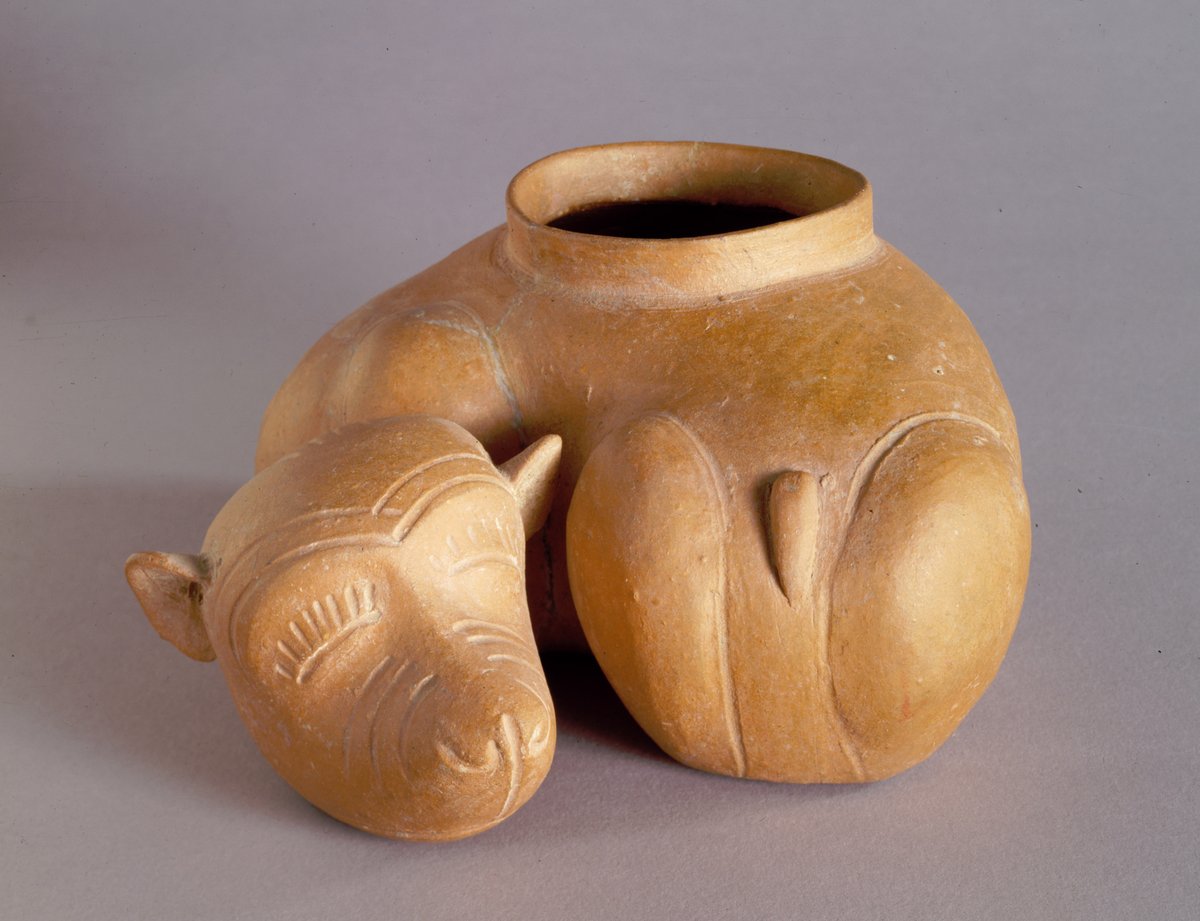
Ceramic Vessel in the Form of a Sleeping Dog. Culture: Teotihuacan. Date: Early Classic period, 250 BC–AD 600. Collection: St. Louis Art Museum, On View, Gallery 114.
2279
Ear of barley on a stater of Metapontion in Lucania. Date: c. 530-510 BC, Archaic. Minted in Matera Province, Basilicata, Magna Graecia, modern-day Italy. Collection & Credit: Classical Numismatic Group.

2280
Snail Houses. Detail from the Secrets de l’histoire naturelle by Robinet Testard. Cognac, c. 1480-1485. Collection: Bibliothèque nationale de France, Français 22971, f. 60v.

2281
Megaloceros in the Axial Gallery. This is also known as the black stag, Lascaux Cave, France. The Cave of Lascaux is famous for its prehistoric paintings showing various animals, hunts, and wars. Four local boys discovered them on the 12th of September 1940.

2282
The Theatre of Petra is carved at the foot of the High Place of Sacrifice during the reign of King Aretas IV (4 BC-AD 27). Seven stairways ascend the auditorium, and it consists of three rows of seats, which have been separated by passageways.

2283
Roman Gold Snake Ring with Herakles Knot, 1st Century AD. Private Collection.

2284
Detail of a mosaic depicting “A Tiger Kills two Wild Asses”. Overall dimensions: 2.4 × 1.73m. Found at the House of the Dionysian Procession in Thysdrus (El Djem, Tunisia). El Djem (Tunesia), Archaeological Museum. Credit: akg-images.

2285
A small portable book containing the Psalms and a portrait of Henry VIII. It was designed to be worn on the belt by the king's second wife, Anne Boleyn (?). London, British Library, Stowe MS 956 (c. 1540). Photo Credit: British Library @britishlibrary

2286
Bottles in the Form of a Pomegranate Egypt, ca. 1295–1070 B.C. - New Kingdom, Ramesside. Collection: Metropolitan Museum of Art.


2288
Pottery Rhyton in the form of an Eagle. Date - Period: 500-470 BC, Attic Culture. Now on display at the British Museum.

2289
The photographer Antoin Sevruguin (1880) on a wall of a ruin with cuneiform inscription in Persepolis. Collection: Museum Volkenkunde, Leiden.

2290
Egypt, 1958. At the tomb of Ramses II. Photo by Elliott Erwitt / Magnum.

2291
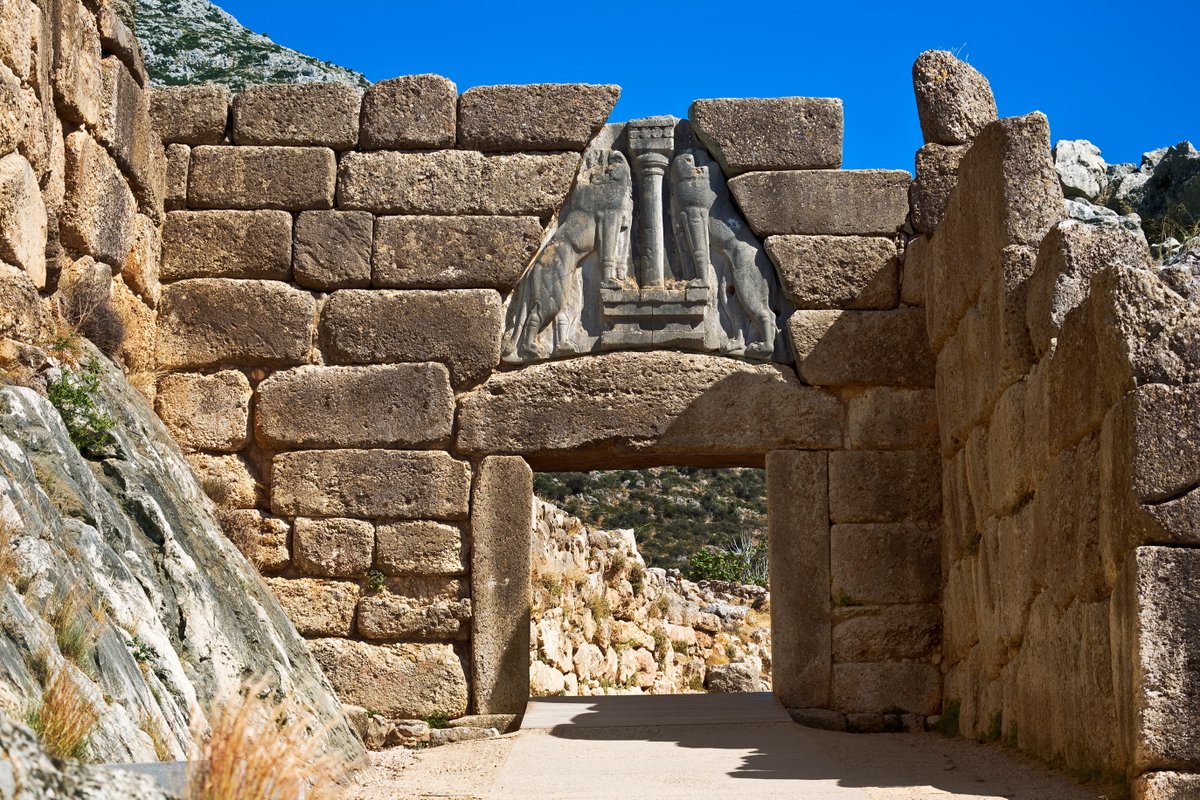
The Lion Gate was the main entrance of the Bronze Age citadel of Mycenae, southern Greece. It was erected during the 13th century BC, around 1.250 BC in the northwest side of the acropolis. Photographer: WitR / Stock Photo.
2292
The Palace of Knossos is located just at the south of modern-day Heraklion near the northern coast of Crete. The palace is over 20.000 square meters and the largest of all Minoan palatial structures.


2294
Illustration of the Pharos of Alexandria. © Sergey Kamshylin / Fotolia.

2295
An Egyptian glass duck bead and a lapis lazuli scaraboid. New Kingdom, circa 1550-1070 B.C.

2296
Moctezuma watches a comet in an image from the Duran Codex, which is one of the earliest European works on the history of the Aztecs. It was produced by Diego Duran, a Dominican priest, who finished it in 1581.

2297
Satkunda Rock Paintings, c. 5.000 years old. Located near Bhopal in Madhya Pradesh, India. The paintings here are predominantly pictographic and depict the life of forest-dwelling tribal communities of the region. Image via Shutterstock.

2298
Amethyst lion head. Culture: Roman, 1st-4th century AD. Collection: Artemis Gallery.

2299
Hellenistic Greek gold ring engraved with an image of a goddess, perhaps Nike Apteros (Wingless Nike), dated to the 4th century BC. Private Collection.

2300
The Goddess Uma. Medium: Sandstone. Geography/ Culture: Cambodia, during the Angkor period, 900s AD. Photo: National Museum of Asian Art.


Archaeology, Art, Museums, Vintage Maps, Old Photos and more. Shop account: @archaeostore Click our bio link for our designs, and more ⬇️⬇️