


2352


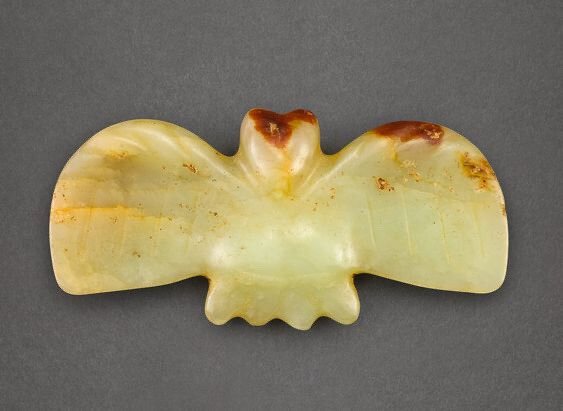
A yellow jade owl, probably Neolithic period, Hongshan culture. Place of origin: China. (c. 4700-2900 BC). Collection & Credit: Sotheby's.
2353
Bactrian Statuette of an Indian Elephant. Date: c. 1000 BC. Medium: Terracotta. Private Collection.

2354
Greek Silver Kylix Depicting Helios and a Chariot. Found in Panticapaeum in Crimea, dating to the first half of the 3rd century BC.

2355
Detail, Allegory of Fortune. Dosso Dossi (Giovanni di Niccolò de Lutero) (Italian (Ferrarese), about 1490 - 1542).

2356
Iron helmet with silver inlay decoration of dragons chasing the flaming pearl. Place of origin: Korea, c. 1550-1560. Collection & Credit: The Victoria & Albert Museum, London, UK.

2357
Gold earrings. Culture: Etruscan, 4th-3rd century BC. Collection: Metropolitan Museum of Art, NYC.

2358
The Mulberry Tree by Vincent Van Gogh. “As long as Autumn lasts, I shall not have hands, canvas and colours enough to paint the beautiful things I see"

2359
Woman holding a bison horn, from Laussel, France, ca. 25,000-20,000 BC. Painted limestone, 1’ 6" high. Currently located at the Musée d'Aquitaine in Bordeaux, France. Image via Wikimedia Commons/120.

2360
A larnax, or chest, made to contain human remains, from Crete, Date/Culture: Mycenaean, c. 1400 BC.

2361
Detail, Apollo and Daphne by Gian Lorenzo Bernini (1622 - 1625). Galleria Borghese, Rome, Italy.

2362
Hellenistic or Roman bronze head of an athlete, dated to the 2nd to 1st centuries BC, likely after a 4th century BC original by Lysippos. Currently located in the Kimbell Art Museum in Fort Worth, Texas. #museumweek

2363
Figure Vessel. Date: 9th–4th century B.C. Geography: Ecuador. Culture: Chorrera. Collection: The Met.

2364
Detail from a Fishing Scene, Tomb of Qenamun (TT93), reign of Amenhotep II. Sheikh Abd el-Qurna, West Thebes. New Kingdom, 18th Dynasty, ca. 1427-1400 BC.

2365
Dragon detail from the Apocalypse, Saint-Amand Abbey. c 9th century AD. Collection: Valenciennes, Bibliothèque municipale, ms. 99, fol. 24r.

2366
Flood: Thinkers, writers and artists in Ancient Greece.
Greek philosophers asked questions such as : what is the world made of? In trying to answer these questions, they began to study the world and the relationships between shapes, between animals and between numbers.

2367
Picture stone depicting a spiral motif and animals thought to be horses. Date: c. 1st-6th century AD. Collection: Gotlands Museum, Sweden. Photographer: Wolfgang Sauber via Wikimedia Commons.

2368
A Secret Best Kept, detail, by Mike Davis, 2011. Medium: Oil on canvas.

2369
A Roman marble torso of an athlete, ca. 1st–2nd century A.D. 94 cm. Private Collection.

2370
Falling stars. Detail from the Livre de la Vigne nostre Seigneur, France ca. 1450-1470. Collection: Bodleian Library, MS. Douce 134, fol. 47r.

2371
Silver Stater minted at Knossos, Crete c. 500-431 BC. On the coin is the Minotaur running, holding an unidentified object in his raised hand. The inscription KNOSI[ON] is beside him.

2372
Minoan Decorated Jug. Medium: Ceramic, slip. Geographical Locations: Place found: Egypt, Place made: Crete, Greece. Dates: ca. 1575-1500 B.C. Period: Late Minoan IB. Collection: Brooklyn Museum.

2373
The great flood in Florence. Photographed by David Lees, 1966.

2374
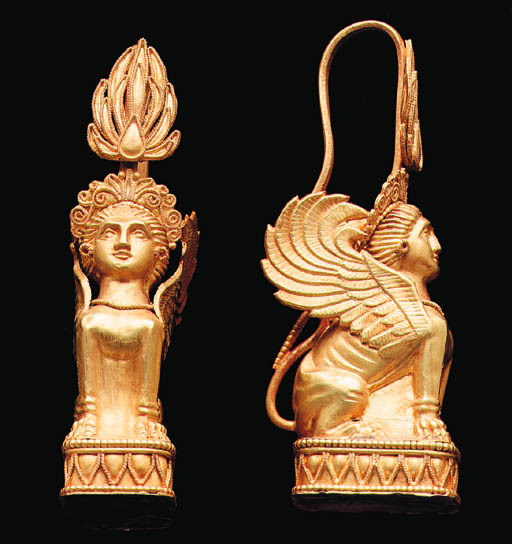
Greek Gold Sphinx Earrings, 4th Century BC. Originally an Egyptian mythological creature, the sphinx was adapted by the Greeks and appears frequently in Greek art. Photo Credit: Christies.
2375
Orpheus’s Sorrow by Pascal Dagnan-Bouveret (1852-1929). Collection: Musée des Beaux-Arts de Mulhouse.


Archaeology, Art, Museums, Vintage Maps, Old Photos and more. Shop account: @archaeostore Click our bio link for our designs, and more ⬇️⬇️