2476


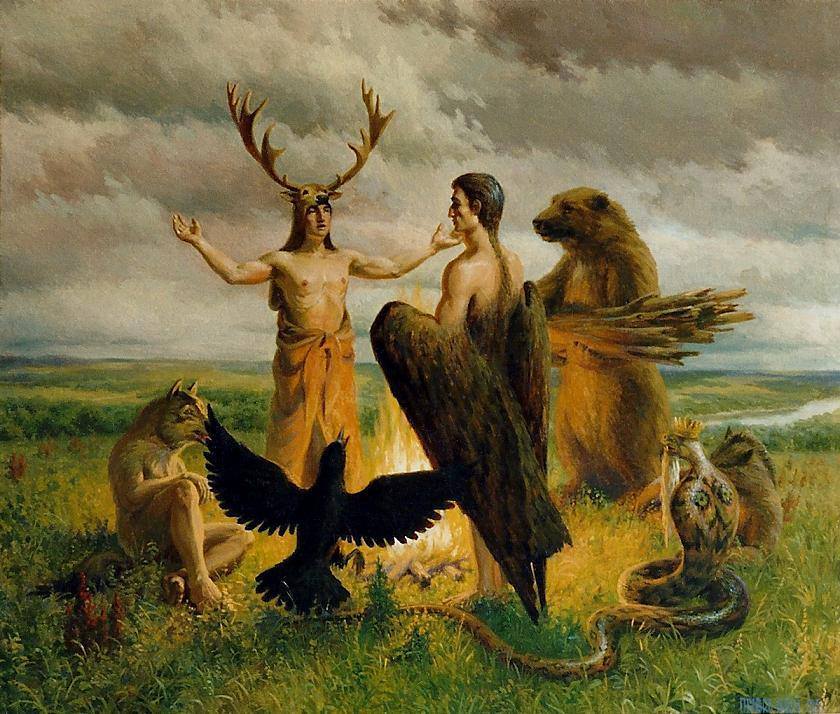
Transfiguration by Sergey Petrovich Panasenko (1993)
#art🎨 #kunst #art_history #paintingart #paintinglovers #paintingoftheday🎨 #famouspainting #historicalart #historiadelarte #artencyclopedia


2477
Bird. Culture: Muisca. Place of origin: Colombia. Date: c. 1200-1500. Collection: Dallas Museum of Art.


2478
Transparent amber glass jug with cylindrical neck, ovoid body and pedestal base. Greek inscription ENNIΩN EΠOIEI, meaning Ennion made (me or it). 25 - 75 A.D., probably from Syria. The Corning Museum of Glass, New York.


2479
La visión de Fray Martín (1892) by Vicente Nicolau Cotanda (1852 - 1898). Medium: oil on canvas - 330 cm x 202,5 cm.

2480
Early Medieval grave findings from Gammertingen Germany, 6th century, the princely man was wearing a golden helmet and mail armor. Beside him lay his weapons including a sword, an ax, a throwing spear, and an ornate lance.

2481
Gold ear pick with ornamental butterfly. Korea, Goryeo Dynasty, 10th-14th century.

2482
Nessus Abducting Dejanira. Modeled in 1814–15, carved in 1821–23 or 1826 by Bertel Thorvaldsen (Danish). Now on display at the Met Fifth Avenue in Gallery 548, NY.

2483
Colossus of Rhodes (Helios), engraving by Philips Galle, after, Maarten van Heemskerck, 1572.


2485
Bronze helmet for a Roman gladiator, 1st century AD. from The Higgins Collection.


2487
The Goddess Uma. Medium: Sandstone. Geography/ Culture: Cambodia, during the Angkor period, 900s AD. Photo: National Museum of Asian Art.


2489
Olmec stone head from San Lorenzo. Photographer: Shirley Gorenstein,1972.

2490
A abracadabrangle (1726). Detail from the Pierre Guarin’s Grammaticae Hebraicae et Chaldaicae, ex optimis quae hactenus prodierunt, nova facilique methodo concinnatae, tomus II (Paris: Typis Jacobi Collombat, 1726-1728).

2491
Chalcedony bust of Emperor Trajan. Date: Roman, 2nd century AD. Collection & Credit: Phoenix Ancient Art.

2492
Mosaic Depicting an Old Woman, 3th c. AD, Museu d'Arqueologia de Catalunya (Barcelona), Spain.

2493
Bronze shield rim from the Olympia Museum, Greece. Dated to the second half of the 6th century BC.

2494
Figure Vessel. Date: 9th–4th century B.C. Geography: Ecuador. Culture: Chorrera. Collection: The Met.

2495
The Shaft of the Wounded (Dead) Man: A wounded man, aurochs bull, bird and rhino. Dated to the Upper Paleolithic period. c. 17,000 years ago, Lascaux Cave, France.

2496
Circe and the Swine by Albert Goodwin (1845-1932).

2497
Parade Halberd (from the state guard of Elector Christian I of Saxony). Date: 1586-1591. Collection: Cleveland Museum of Art. The halberd was a staff weapon favored by European infantries (foot soldiers) of the 1400s and 1500s for its versatility and deadly effect.

2498
Ceramic vessels, Cahokia, 11th-13th centuries. Photographer: Linda Alexander via Der Spiegel. The Cahokia Mounds State Historic Site is the site of a pre-Columbian Native American city (c. 1050–1350 AD) directly across the Mississippi River from modern St. Louis, Missouri.

2499
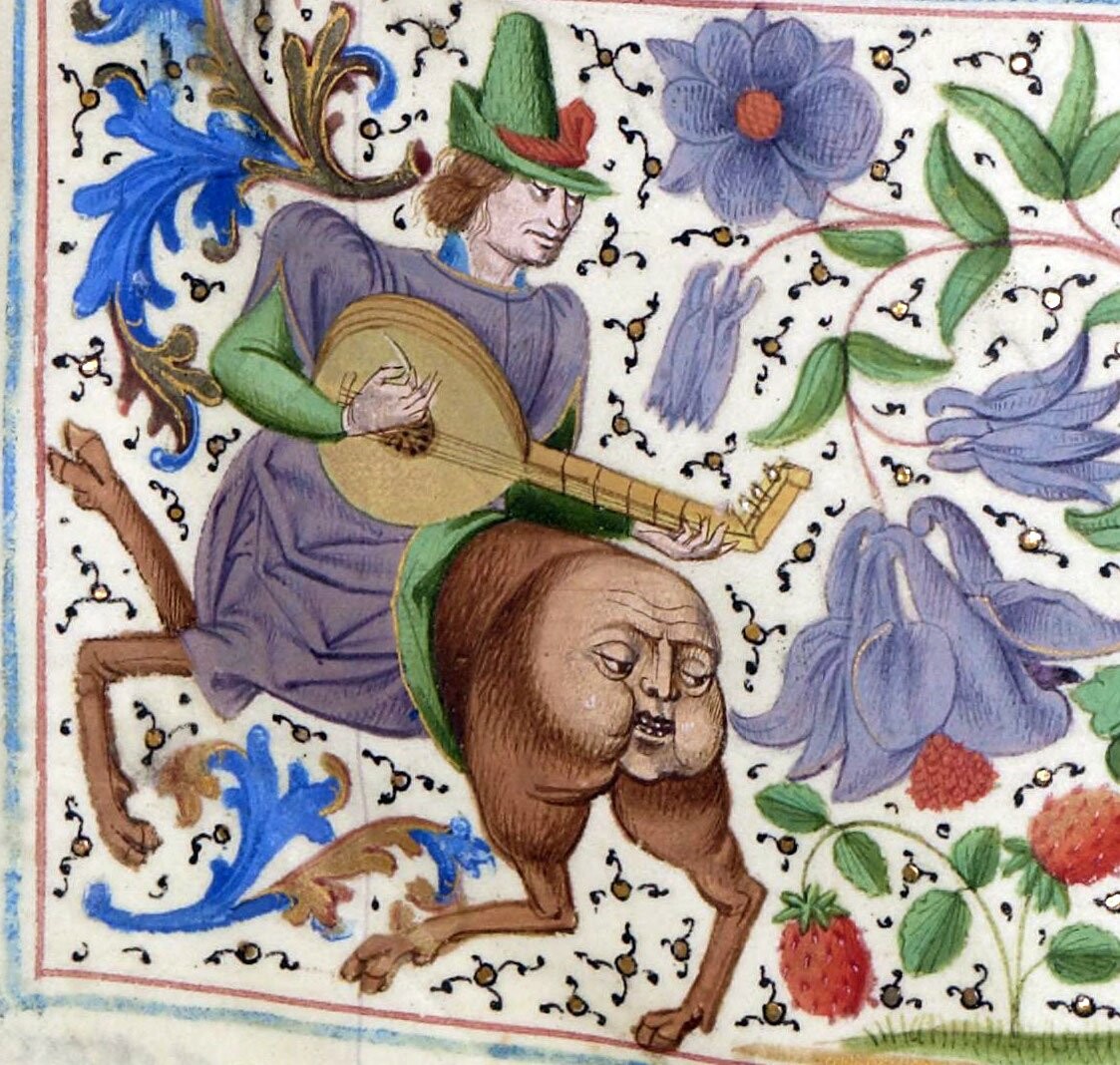
Detail from the Froissart’s Chronicles, Bruges ca. 1470-1475. Collection: BnF, Paris, Français 2643, fol. 72r.
2500
Gameboard. Place of origin: Iraq, Ur. Materials: Shell, limestone, lapis. Now on display at the Penn Museum.


Archaeology, Art, Museums, Vintage Maps, Old Photos and more. Shop account: @archaeostore Click our bio link for our designs, and more ⬇️⬇️