2476


The Minotaur. Tondo of an Attic black-figure kylix, attributed to the Painter of London E4; ca. 515 BC. The surrounding inscription reads ”The boy is handsome/beautiful”. Collection: National Archaeological Museum of Spain. Photo credit: Marie-Lan Nguyen/Wikimedia Commons.



2477
Lion in the bas-relief on the Ishtar Gate at the Pergamon Museum in Berlin. circa 575 BC. Photographer: Iliya Mitskavets / Stock Photo.

2478
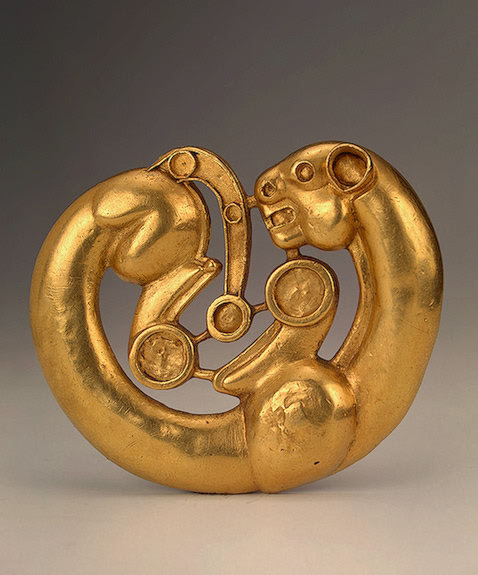
Scythian Gold Plaque in the Form of a Panther Curved Round. Date: 7-6th BC. Place of origin: South-Western Siberia, area between the Rivers Irtysh and Ob Russia. Collection: Hermitage Museum.
2479
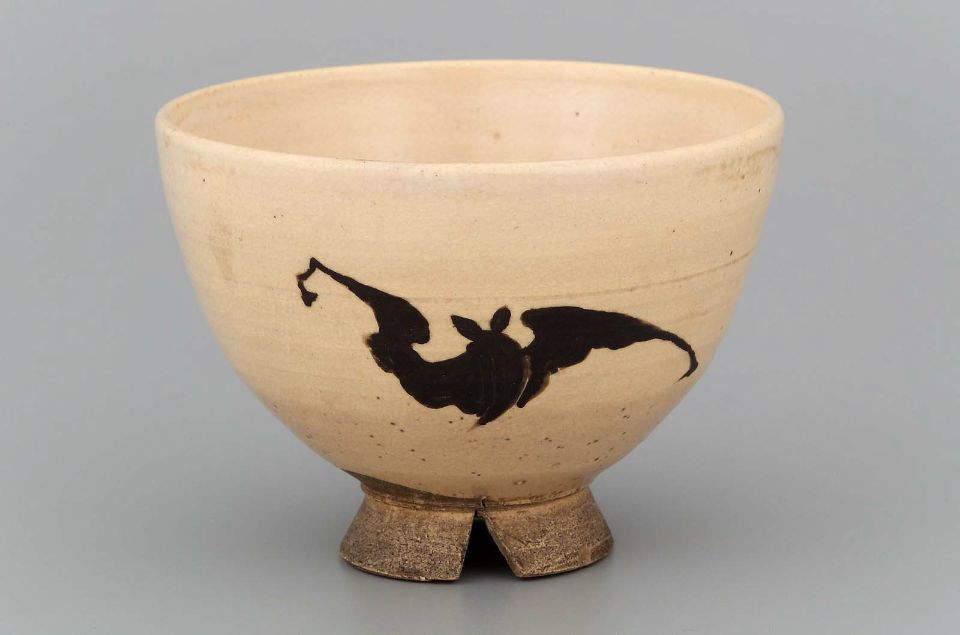
Bowl with bat, made in Japan, 1870. Collection: MFA, Boston.
2480
Bowl with human feet. Place of origin: Egypt. Period: Predynastic, Late Naqada l–Naqada II. Date: ca. 3700–3450 B.C. Collection: The Met.

2481
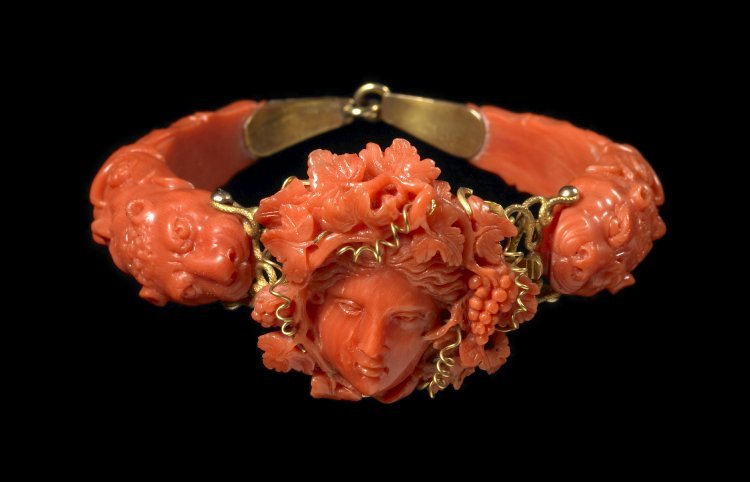
Bracelet. Carved-coral vine-wreathed head of Bacchus with gold mounts and panther-headed terminals, in a labelled case. Made by: Kirkby & Bunn, 1800's.Made in: Naples, Italy. Materials: coral and gold Collection: British Museum, UK.
2482
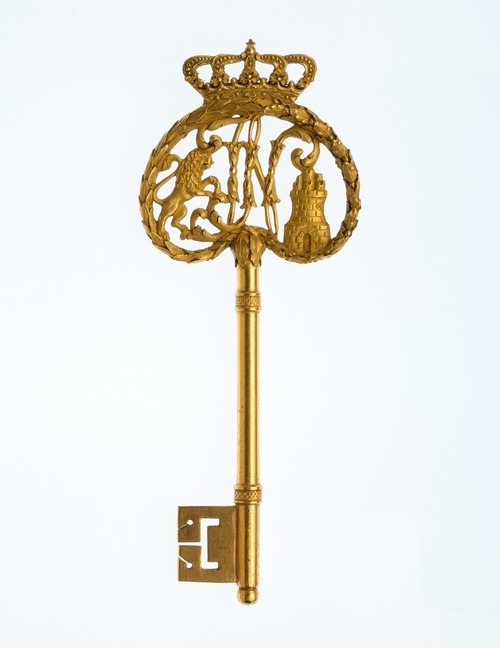
Key, made in France, c.1803-13. Originally owned by Joseph-Napoleon Bonaparte, elder brother of Napoleon, it bears his royal monogram. Collection: The Met.
2483
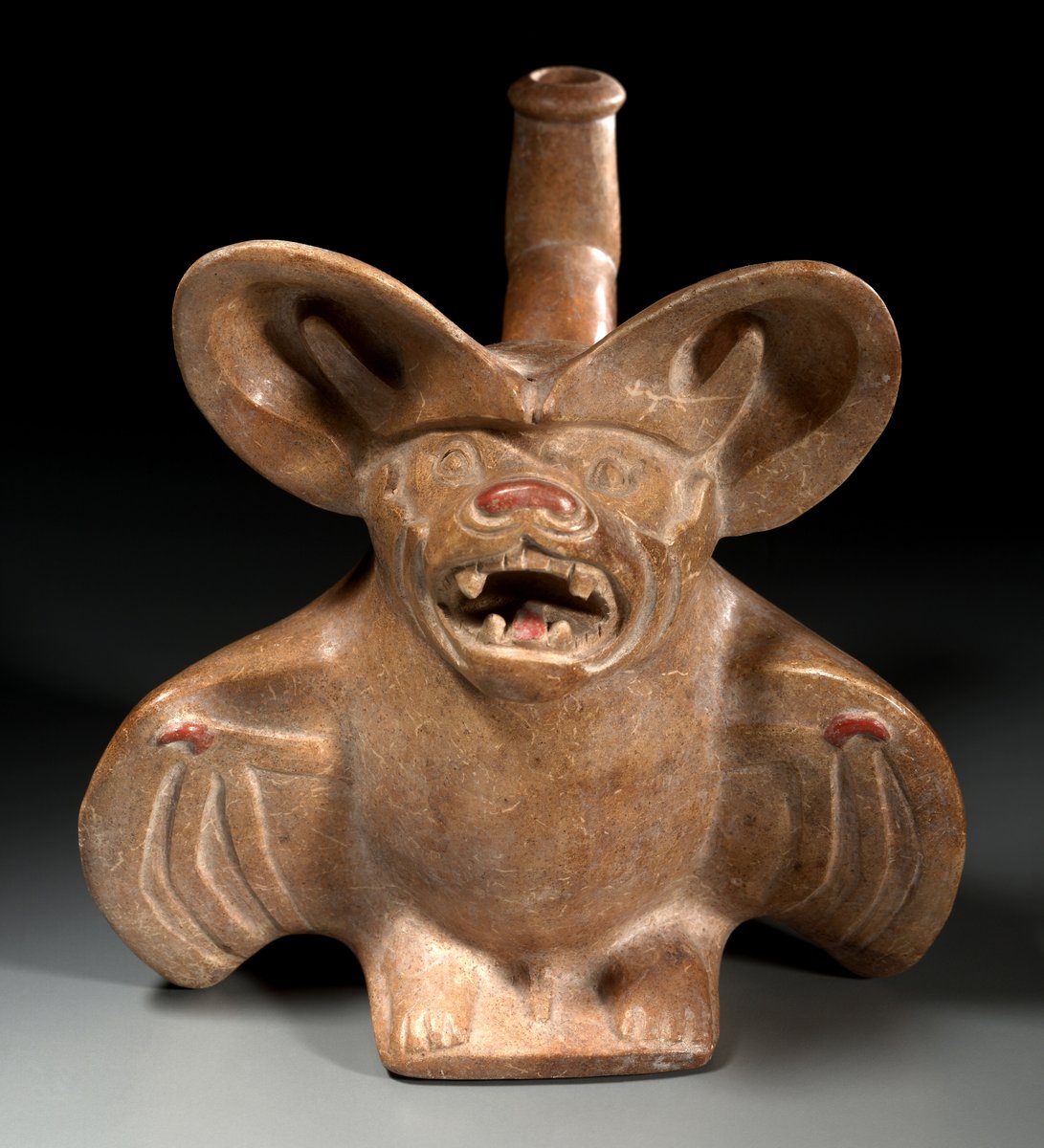
Big-Eared Brown Bat Vessel. c. AD 200–850. Culture & Geography: Central Andes, North Coast, Moche people, Early Intermediate period. Overall: 18.4 x 17.7 x 15.8 cm. Collection: Cleveland Art Museum, US.
2484
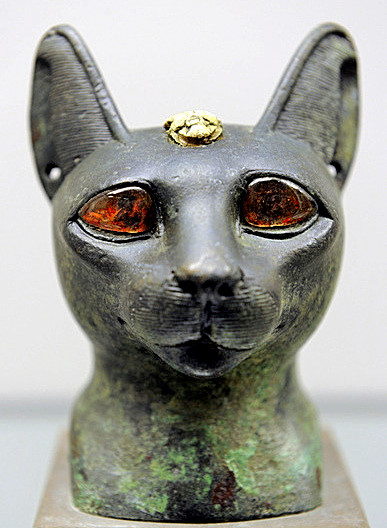
Bronze Head of the Cat goddess Bastet with amber inlays for eyes. Egypt, 26th dynasty. ~600 BC. Collection: Carlsberg Glyptotek Museum, Copenhagen, Denmark. Photo: Stock Photo / Alamy.
2485
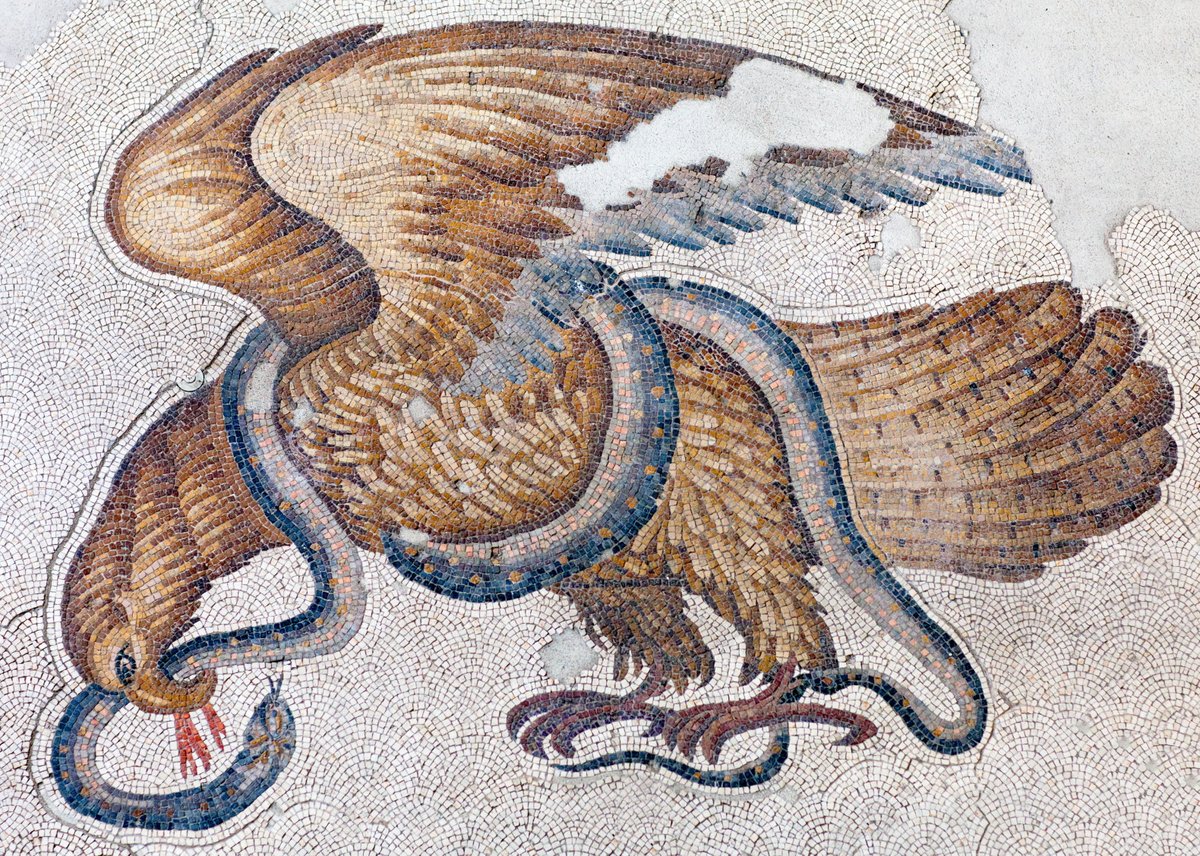
Eagle with Serpent - Byzantine mosaic in the Great Palace of Constantinople, dating to the reign of Byzantine emperor Justinian I, 6th century A.D. Photographer: Zzvet_135 on Adobe Stock.
2486
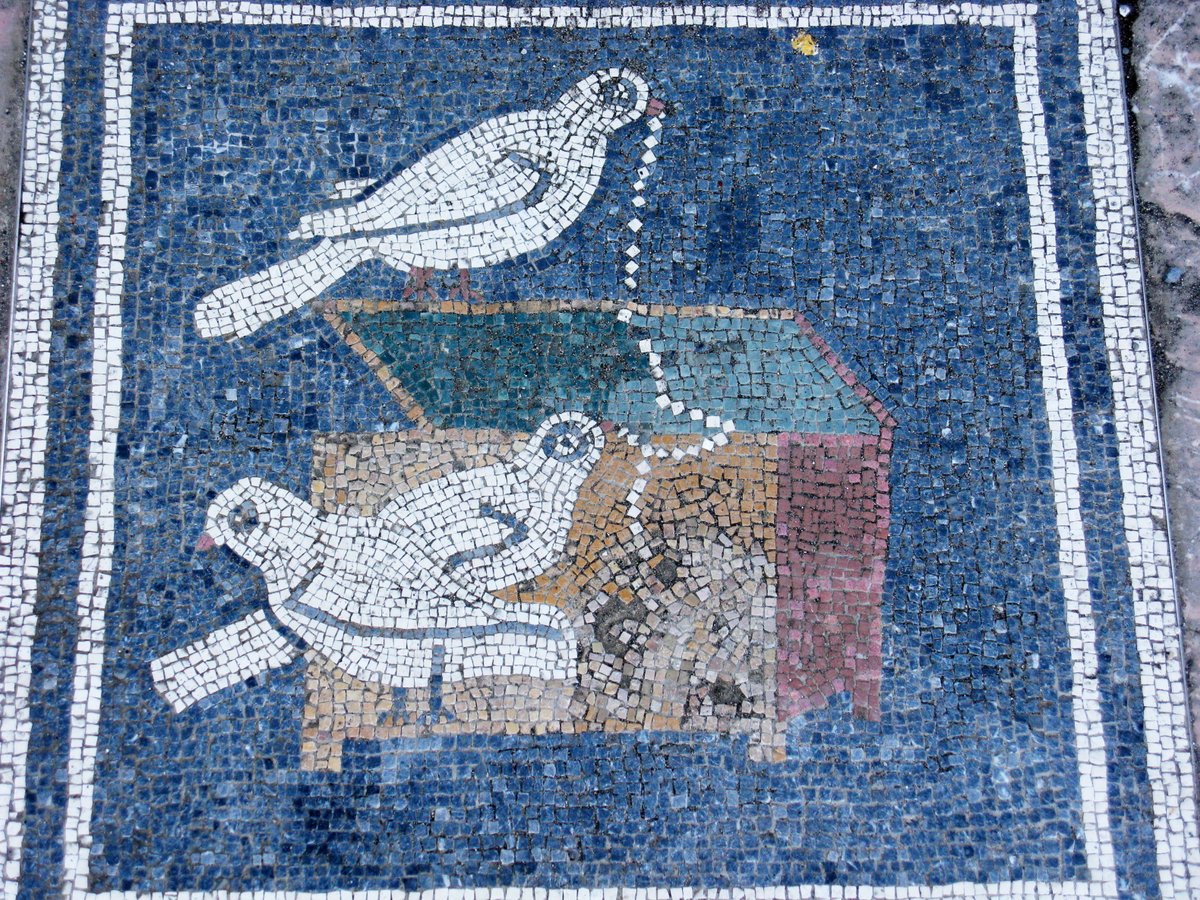
Mosaic floor in Pompeii depicting birds stealing(?) pearls from a jewelry box. Photographer: stocktributor/Adobe Stock.
2487
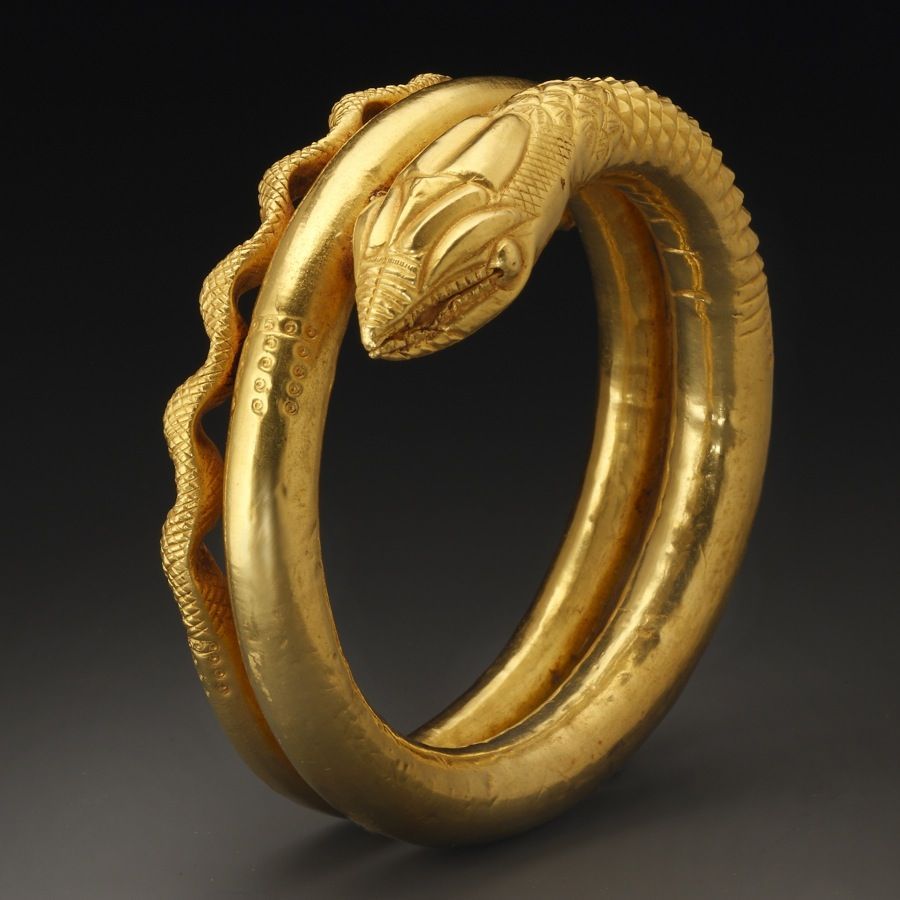
Roman snake armlet. Diameter: 10 cm. weight: 295 g. Place of origin: Egypt. Roman Period, 1st century AD. Private Collection.
2488
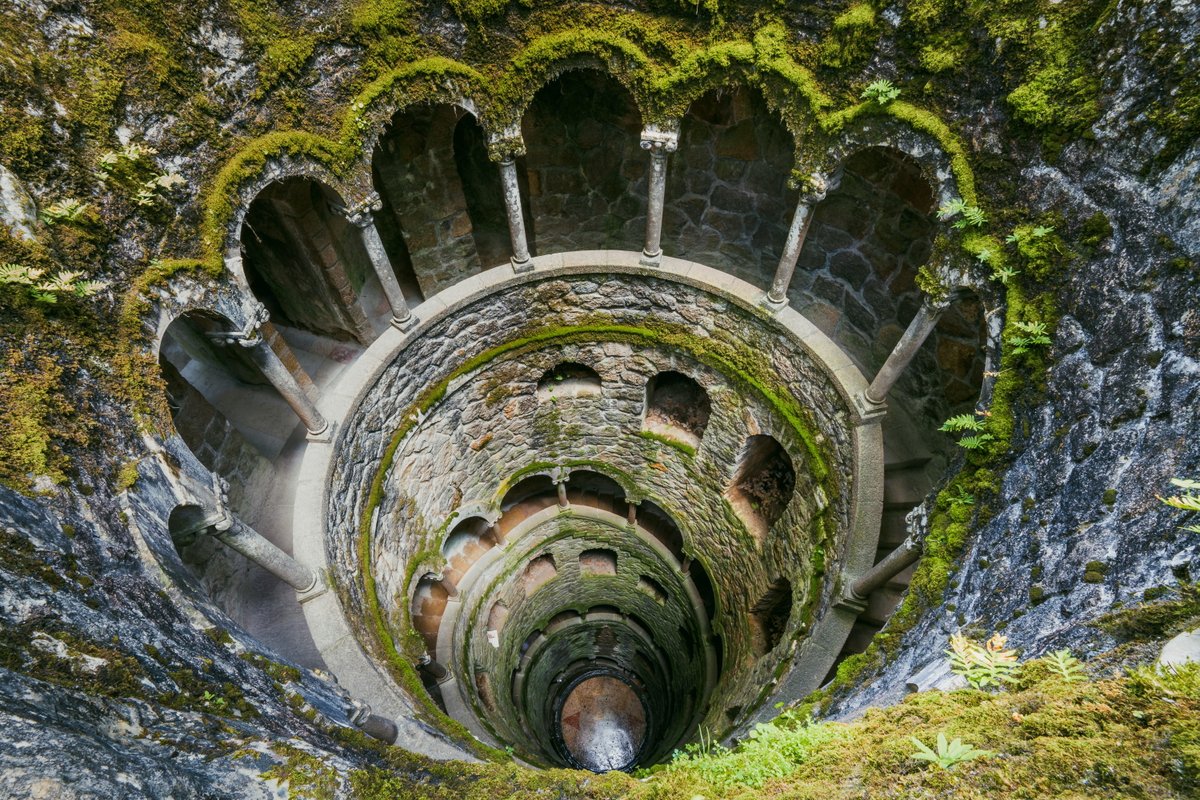
Initiation Wells, Quinta da Regaleira, Sintra, Portugal. Photographer: heyengel_140 / Stock Photo.
2489
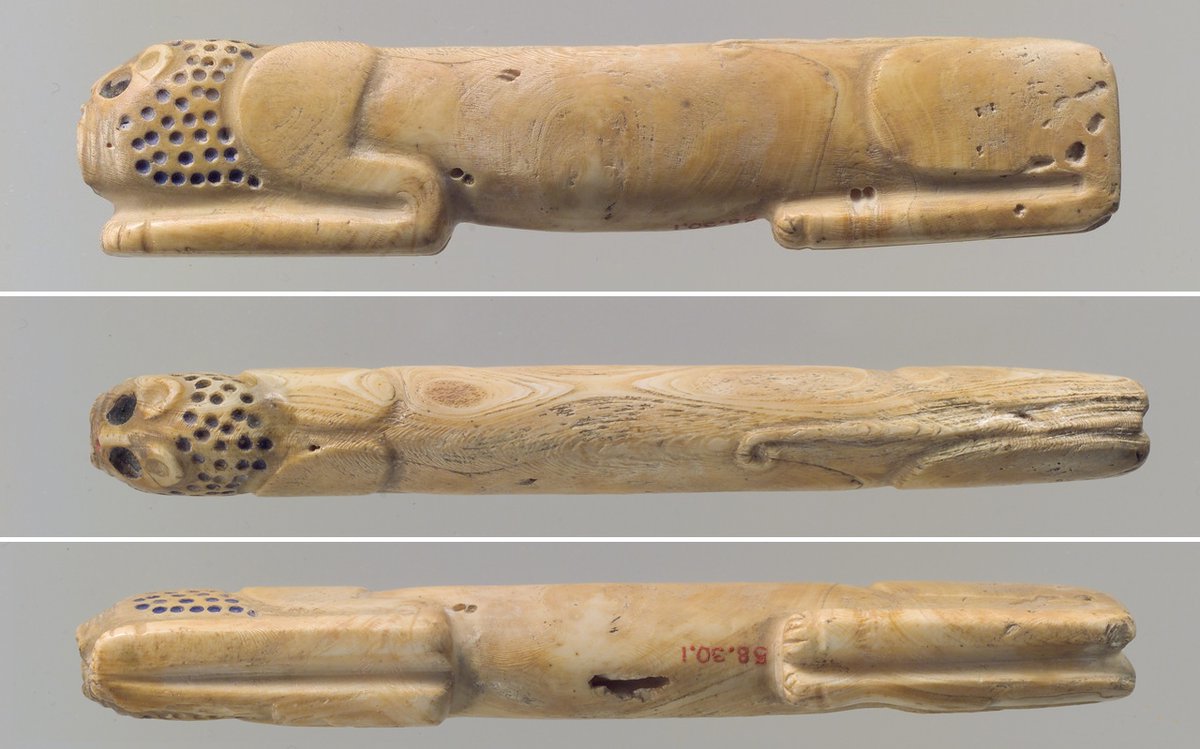
Amulet in the form of a couchant lion. Date: ca. 2900–2700 B.C. Period: Early Dynastic I. Date: ca. 2900–2700 B.C. Geography: Southern Mesopotamia. Medium: Shell. Collection: The Met.
2490
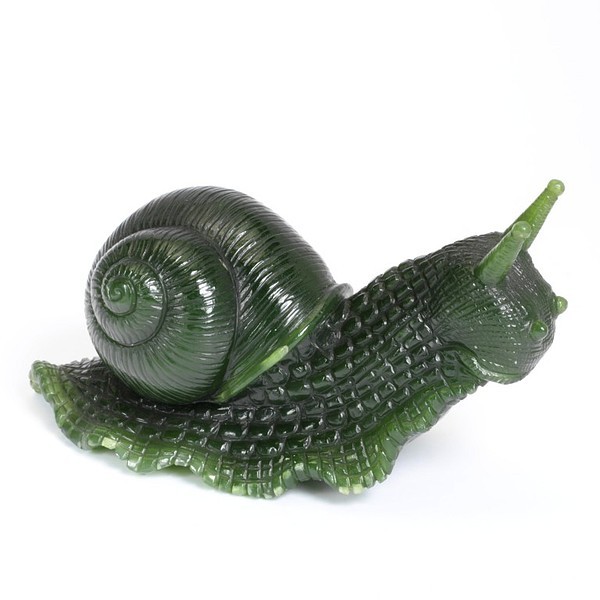
Nephrite jade carving of a snail, by Carl Fabergé, late 19th to early 20th century. Collection: © Victoria and Albert Museum, London, UK.
2491
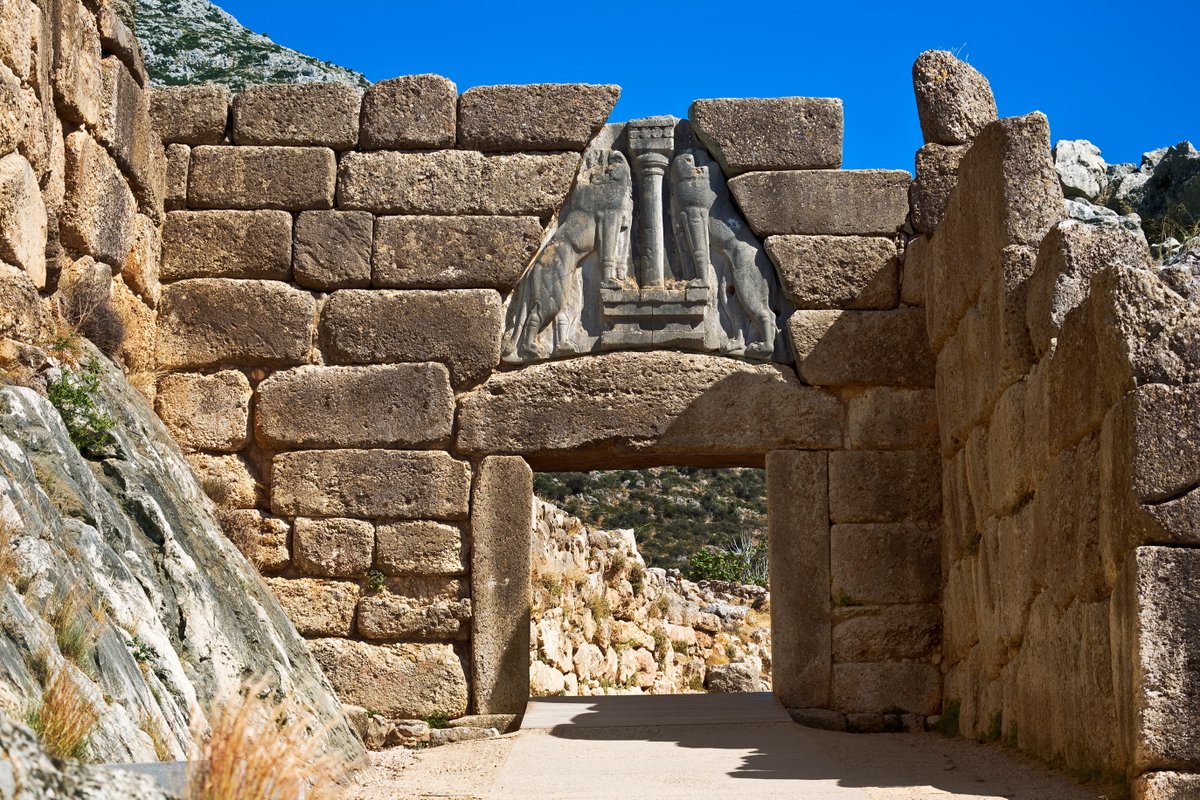
The Lion Gate was the main entrance of the Bronze Age citadel of Mycenae, southern Greece. It was erected during the 13th century BC, around 1.250 BC in the northwest side of the acropolis. Photographer: WitR / Stock Photo.
2492
Breastplate from a suit of parade armor by Giovan Paolo Negroli (Italian, Milan ca. 1513–1569). Medium: Steel, gold. On view at The Met Fifth Avenue in Gallery 374.

2493
The three pyramids seen through palm grove, Egypt, Cairo. Photography: G. Eric and Edith Matson Photograph Collection. Date: 1936.

2494
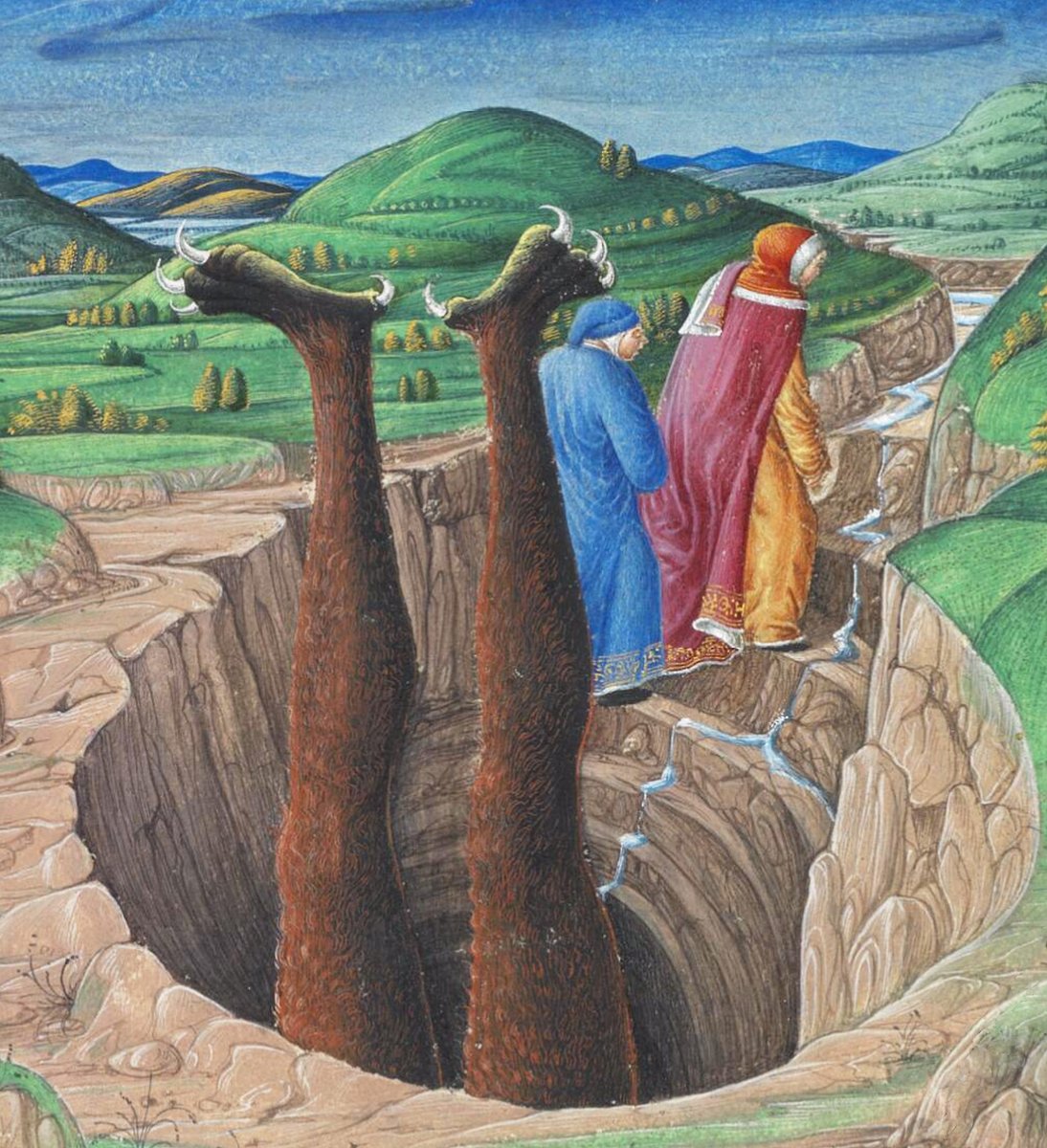
Leaving Hell (Inferno XXXIV). Detail from the Dante, Divina Commedia, Urbino and Ferrara, 1477-1478. Collection: Biblioteca Apostolica Vaticana, Urb.lat.365, fol. 95v.
2495
Detail, La Vérité by Jules Joseph Lefebvre, 1870. Collection: Musée d'Orsay.

2496
Carnelian amulet with gold loop. Culture: Egypt, c.1500 - 1070 BC. Collection & Credit: Timeline Auctions.

2497
Roman mosaic from the 2nd century AD depicting Odysseus and the Sirens. Displayed in the Bardo Museum in Tunisia. Photographer: Fotokon / Stock Image.

2498
A Scythian Gold Comb with Battle Scene from the Solokha Kurhan. Date: Late 5th-early 4th century BC. Technique: casting, chasing. Dimensions: 12.6 x 10.2 cm. Collection & Credit: Hermitage Museum.

2499
Devil says goodnight. Detail from the Jean Mansel, La fleur des histoires, Flanders. Date: ca. 1480. Collection: Bibliothèque de Genève, Ms. fr. 64, fol. 297r.

2500
The Mausoleum of Galla Placidia is a Late Antique Roman building in Ravenna, Italy, built between 425 and 450 AD. The interior of the mausoleum is covered with rich mosaics.


Archaeology, Art, Museums, Vintage Maps, Old Photos and more. Shop account: @archaeostore Click our bio link for our designs, and more ⬇️⬇️