2376


Bronze helmets. Culture: Urartian, c. 9th to 8th century BC. Geography: Probably from North-Western Iran. The pointed shape was designed to deflect arrows. Holes around the edges are for attaching a leather or a felt lining. Collection: British Museum, London, UK.



2377
Head of Mars. The French School, 1800s. Private Collection (?)

2378
Standing female figure. Place of origin: Colima, West Mexico. Period: Late Formative, Shaft Tomb era. Date: 100 B.C.- A.D. 300 Medium: Earthenware. Collection: National Gallery of Victoria, Melbourne.

2379
The Building of the Tower of Babel by Marten van Valckenborch I (1534–1612). Collection & Credit: Towneley Hall Art Gallery & Museum.

2380
Flood: Thinkers, writers and artists in Ancient Greece.
Greek philosophers asked questions such as : what is the world made of? In trying to answer these questions, they began to study the world and the relationships between shapes, between animals and between numbers.

2381
Memento mori earrings by Italian jeweler Codognato, Venice.

2382
Viking silver entwined Urnes Beast brooch. Date: c. 11th century AD. Collection & Credit:Timeline Auctions.

2383
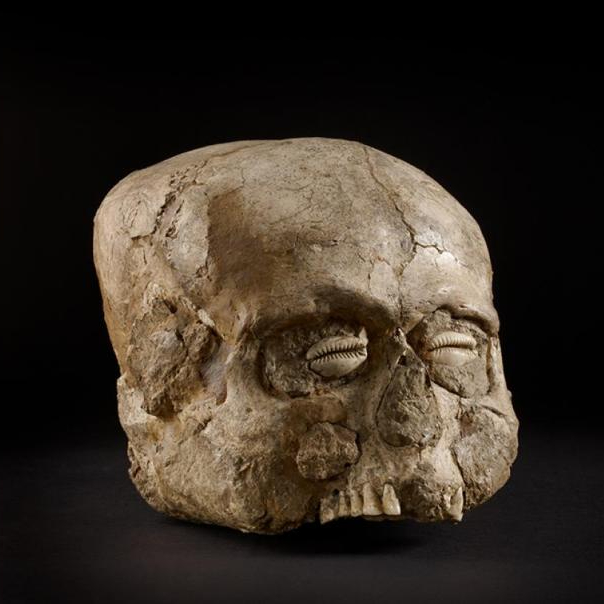
Plastered human skull. Place of origin: Jericho, Palestinian National Authority. Date: c.7000–6500 BC. Medium: Bone, shell and clay, 15.2 x 16.7 x 22 cm. Credit: Ashmolean Museum.
2384
The Kiss (detail) by Auguste Rodin, c.1901-04. Medium: Marble Collection: Musée Rodin, Paris.

2385
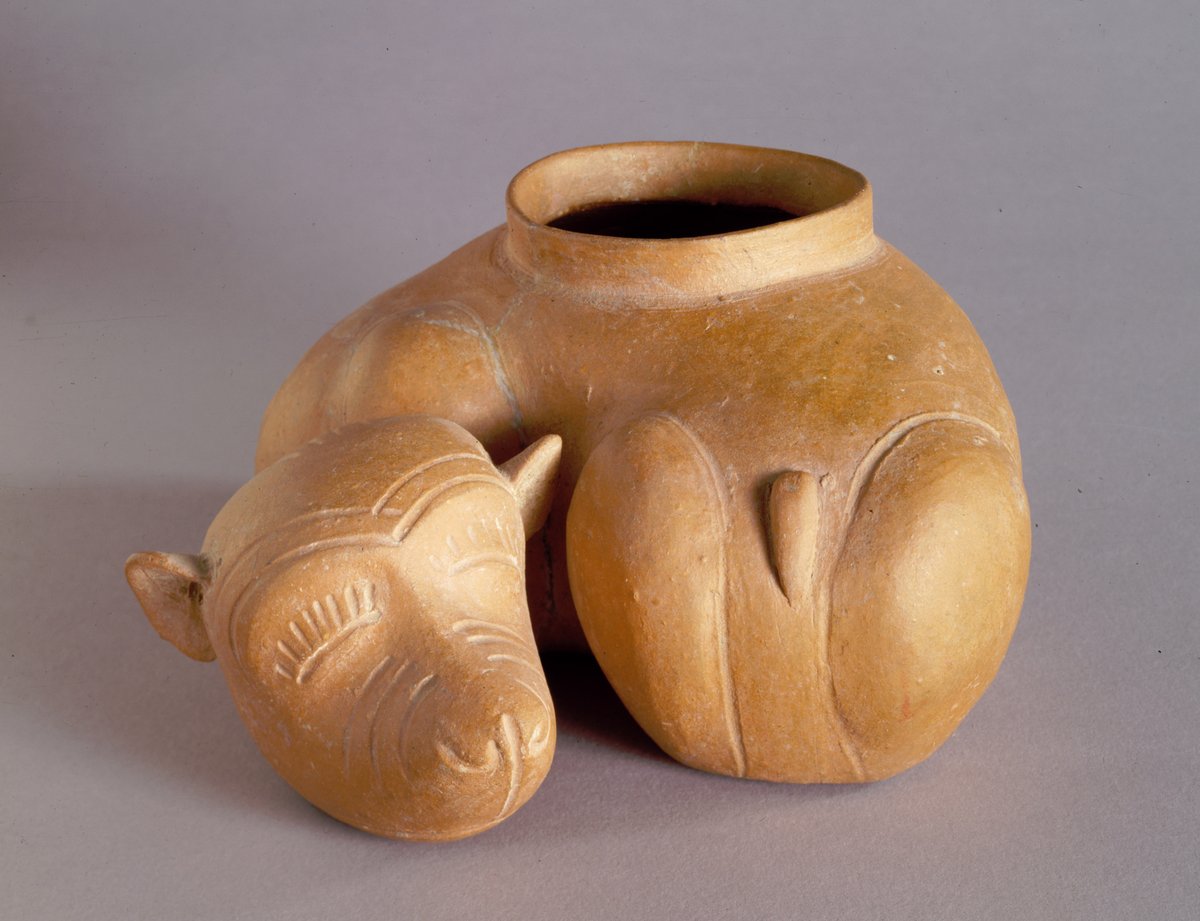
Ceramic Vessel in the Form of a Sleeping Dog. Culture: Teotihuacan. Date: Early Classic period, 250 BC–AD 600. Collection: St. Louis Art Museum, On View, Gallery 114.
2386
Javanese gold arm band. Date: early 10th century AD. Collection: Metropolitan Museum of Art.

2387
Seraph. Detail from the Hrabanus Maurus, De laudibus Sanctae Crucis, Germany ca. 1170. Collection: British Library, Harley 3045, fol. 9v. Also known as cherubim or cherub, in Hebrew, Seraphim means ‘’the burning ones’’ because of their closeness to the throne of God.

2388
Gold signet-ring. Culture/period: Late Roman & Byzantine. Date: A.D. 5th century Medium: Gold. Collection: British Museum.

2389
Ahasuerus at the End of the World by Adolf Hirémy-Hirschl, 1888. (Hungarian, 1860–1933).

2390
Roman Vaginal Speculum, c. 100-400 AD. This bronze vaginal speculum is over 20 cm long and was found in Lebanon. It comprises a priapiscus with dovetailing valves which are opened and closed by a handle with a screw mechanism. Science Museum, UK.

2391
Detail, Perseus and Andromedaby Joachim Anthonisz Wtewael, 1611.

2392
Seated quartz amulet of the lion-headed goddess Sekhmet on a gold throne, from the tomb of Wendjebauendjed, NRT III at Tanis, senior official of Psusennes I. The Egyptian Museum.

2393
Column Iaat, Lebanon 18 m. tall Probably a funerary monument (?). Photo date unknown.

2394
Vampire bat. Woodcut from “Natural history picture book”, 1869, Internet Archive.

2395
The Slave Market by Boulanger Gustave Clarence Rudolphe, oil on canvas, 1886.


2398
Detail of Cesare Lapini’s Messaggio d’Amore (The Love Letter), dated to the late 19th century.Medium: Marble. Private Collection.

2399
Snail with Nautilus Shell by Jeremias Ritter, c. 1630 (German, died 1646. Medium: Nautilus shell, silver gilt. Collection: Wadsworth Atheneum Museum of Art, Hartford, Connecticut.

2400
David hoists the severed head of Goliath by Gustave Doré, 1866.


Archaeology, Art, Museums, Vintage Maps, Old Photos and more. Shop account: @archaeostore Click our bio link for our designs, and more ⬇️⬇️