2301


An embossed and gilt armor for King Henri III of France. Paris, France, ca. 1570. Now on display at the Kunsthistorisches Museum, Vienna.



2302
Detail, Dante And Virgil In Hell by William-Adolphe Bouguereau, 1850. Collection: Musée d'Orsay, Paris.

2303
Swedish wedding crown, early 18th century. Collection: The Walters Art Museum

2304
Central panel detail - The Garden of Earthly Delights by Hieronymus Bosch Date: ca.1500. Collection: Museo del Prado, Madrid.

2305
Silver serpent fibula. Date: 9th century AD. Culture: Viking. Collection: Artemis Gallery.

2306
Gold ring decorated with saints. Place of origin: Western Europe. Date: c. 15th century AD. Collection: Trinity Antiques.

2307
Funerary diadems and other gold artifacts. Culture: Mycenaean, circa 1600 BC. Now on display at the National Archaeological Museum in Athens. Photographer: Rosemania via Wikimedia Commons, CCA 2.0.

2308
The Kiss by Miklós Ligeti (Hungarian, 1871 – 1944). Medium: marble. Dimensions 44 × 64 × 41.5 cm. On view: Hungarian National Gallery.

2309
Touch, detail by Anonymous Flemish artist. Collection: Musée national du Moyen Âge - The Lady and the Unicorn series of tapestries. Date: ca. 1484 – 1500 AD.

2310
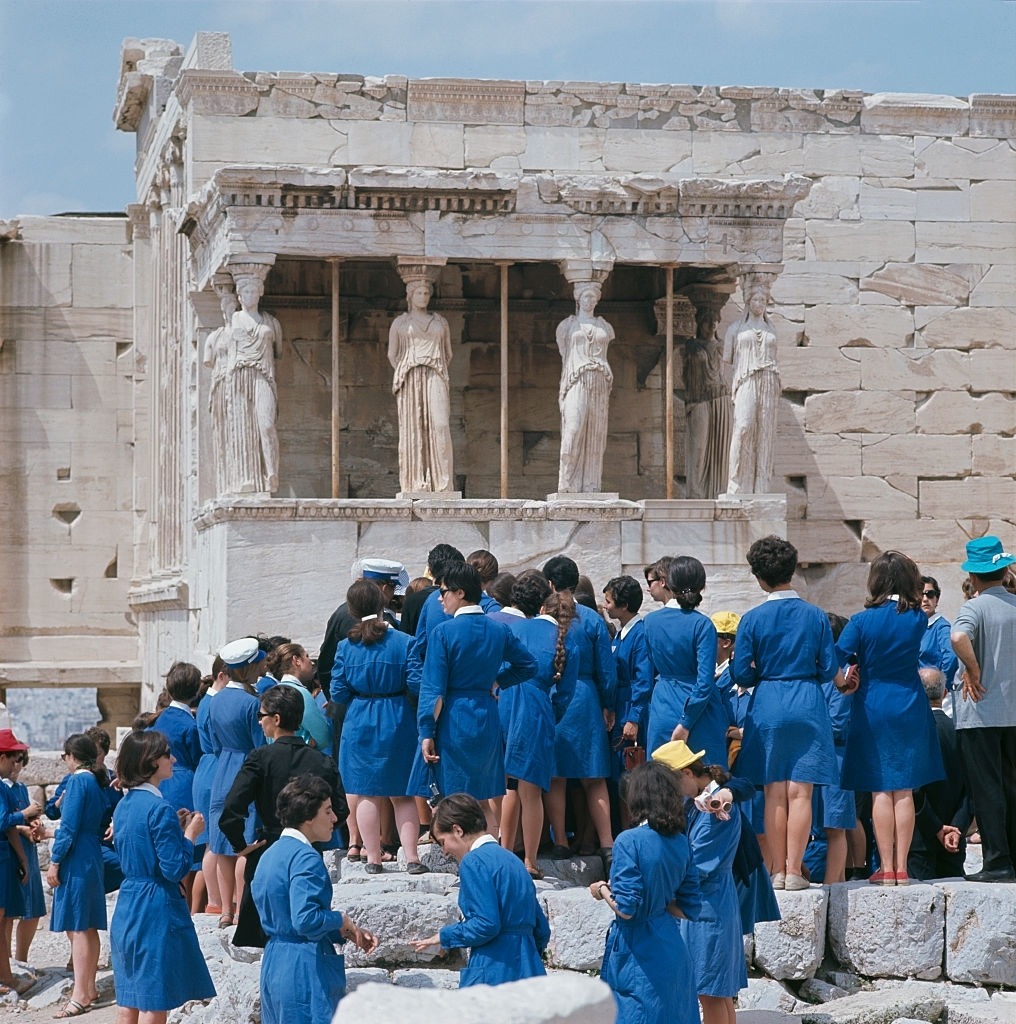
A group of schoolchildren stand in front of the Erechtheion, Athens, Greece. Date: 1968. Photo Credit: Rolls Press / Popperfoto.
2311
Sinners in the hell. Detail from the Dirk Bouts (Haarlem, ca.1410): Last Judgement, Hell Panel. Date: ca.1450. Collection: Palais des Beaux-Arts, Lille, France.

2312
The Imdugud (also Zu or Anzu) Relief from the Temple of Ninhursag Iraq, c. 2500 BC. Collection: British Museum.

2313
Circe transforms Odysseus’ men into swine in Homer’s Odyssey.
*Circe is an enchantress and a minor goddess in ancient Greek mythology and religion. She is either a daughter of the Titan Helios and the Oceanid nymph Perse or the goddess Hecate and Aeëtes.

2314
Memento mori watch in the form of a skull, known as the 'Mary Queen of Scots' watch. Place of origin: Blois, France, ca. 1780-1850. Collection: Science Museum Group, UK.


2315
Byzantine gold and cloisonné ring, dated to the 10th century AD. Private Collection.


2316
Sainte-Chapelle, Paris. Photograph: Stock Image.
The Sainte-Chapelle (Holy Chapel) was commissioned by King Louis IX (Saint-Louis) possibly from architect Pierre of Montreuil between 1242 and 1248 in the Palais de la Cité, then the royal residence.

2317
Detail, "Luis Veldrof, senior aposentador and janitor of the Royal Palace" by Vicent López Portaña (1772–1850). Collection: Museo del Prado, Madrid.

2318
Mercury Attaching His Wings by Jean-Baptiste Pigalle (1744). Collection: The Louvre.

2319
Whales. Details from the "Log of the ship Susan" by Reuben Russell, 1841.

2320
Dance of wood ghosts, Yahuna Indians. Geography: Rio Apaporis, Colombia. Photo by Th. Koch-Grunberg, c. 1900 (?). Published by Hutchinson & Co., London .

2321
"Mythology, idols etc" from the "A dictionary of the English language" by Webster, Noah, 1758-1843. Source: Internet Archive.

2322
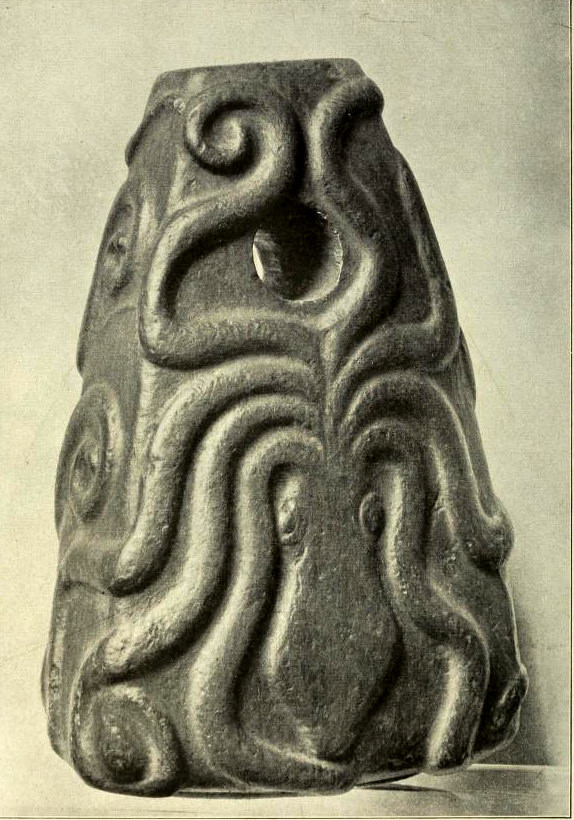
A weight made of stone with a great relief octopus from Knossos, ca. 1500 BC. Now on display at the Heraklion Archaeological Museum. Photo: Kunst und Kunstgewerbe im ägäischen Kulturkreise Helmuth Theodor Boßert Berlin: Verlag von Ernst Wasmuth, A-G, 1901.
2323
Ring of gold enamelled in pale blue, white and black and set with diamonds, decorated with skull and crossbones and nielloed inscription. Place of origin: Scotland (probably). Date: c. 17th century. Collection: National Museums Scotland, UK.

2324
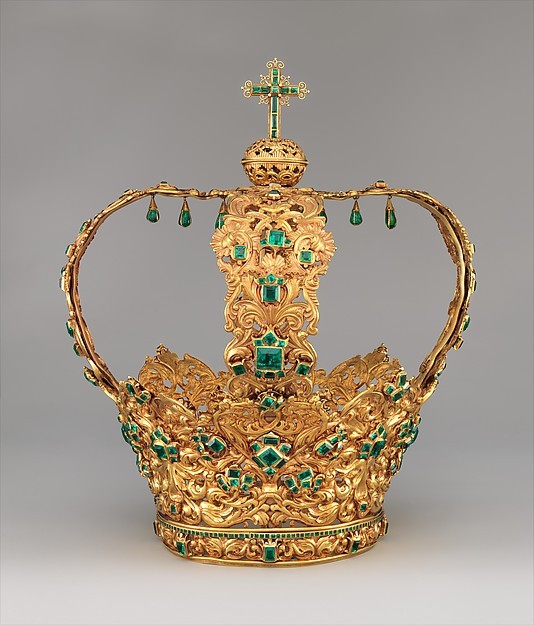
Crown of the Virgin of the Immaculate Conception, known as the Crown of the Andes. Date: ca. 1660 (diadem) and ca. 1770 (arches). Geography: Made in Colombia. Culture: Colombian; Popayán. Medium: Gold, repoussé and chased; emeralds. Collection: The Met.
2325
A pair of earrings from a tomb in Tillya Tepe. Date: 1st century BC-1st century AD, gold and turquoise, part of the collection of the National Museum of Afghanistan. Photographer: Thierry Ollivier.


Archaeology, Art, Museums, Vintage Maps, Old Photos and more. Shop account: @archaeostore Click our bio link for our designs, and more ⬇️⬇️