2226


Gold Fish Pendant. Date/Period: Egypt, ca. 1878–1749 B.C. Dimensions: L. 3.9 cm, H. 1.6 cm. Collection: National Museums Scotland, UK.



2227
Wooden cosmetic spoon in shape of a mouse. Egyptian used spoons to mix their eye make up on. Date: Egyptian, New Kingdom, 18th dynasty, 1525 - 1295 BC. Now on display at the Metropolitan Museum, NYC.

2228
Gold ring, Roman, c. 100-200 AD. Collection: The Cleveland Museum of Art.

2229
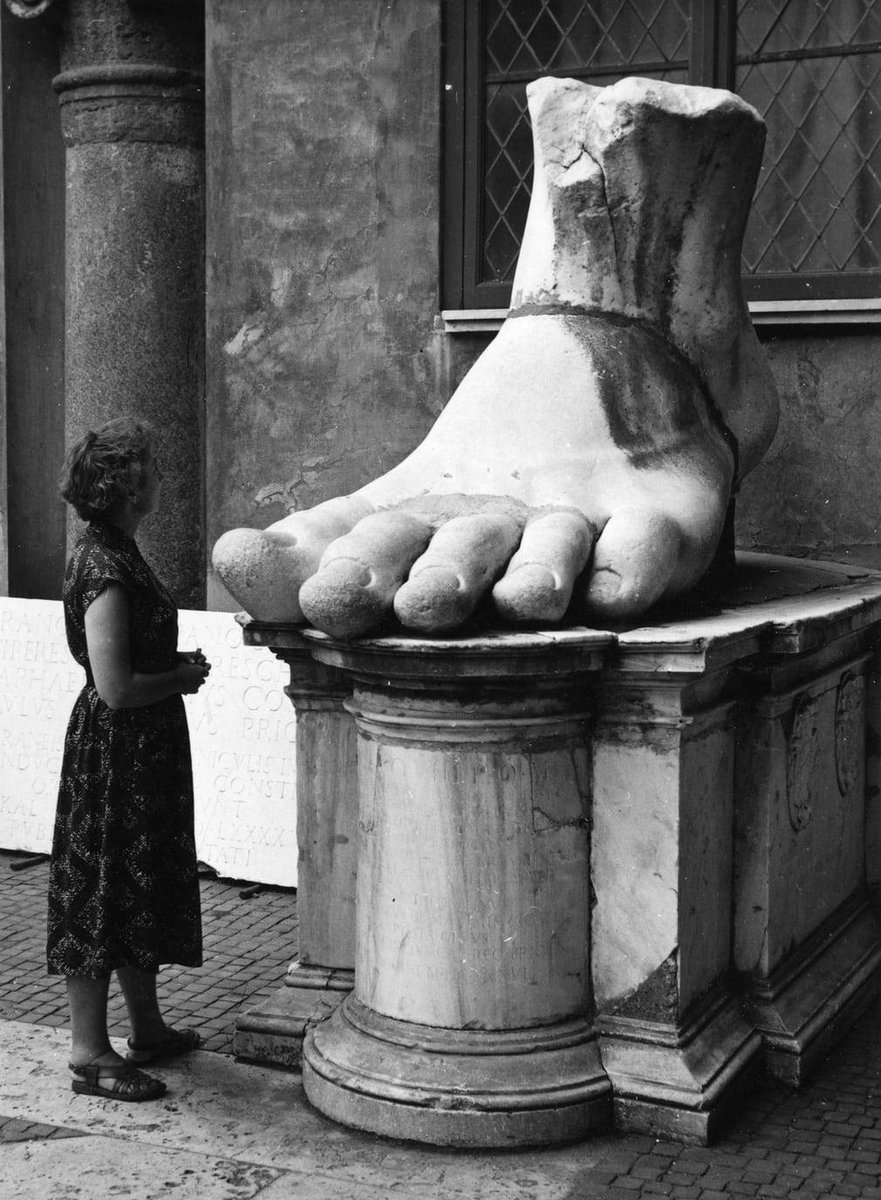
Fragment of the colossal statue of Constantine the Great, Palazzo dei Conservatori, Rome, Italy (1954).
2230
Fig. 112. “Principal types of pottery in Ancient Egypt.” The Encyclopaedia Britannica. v.9. 1922.

2231
Woodcut print of the twelve signs of the zodiac, German, 16th century.

2232
Mercury Tying His Sandals, Jean-André Delorme, 1881.


2234
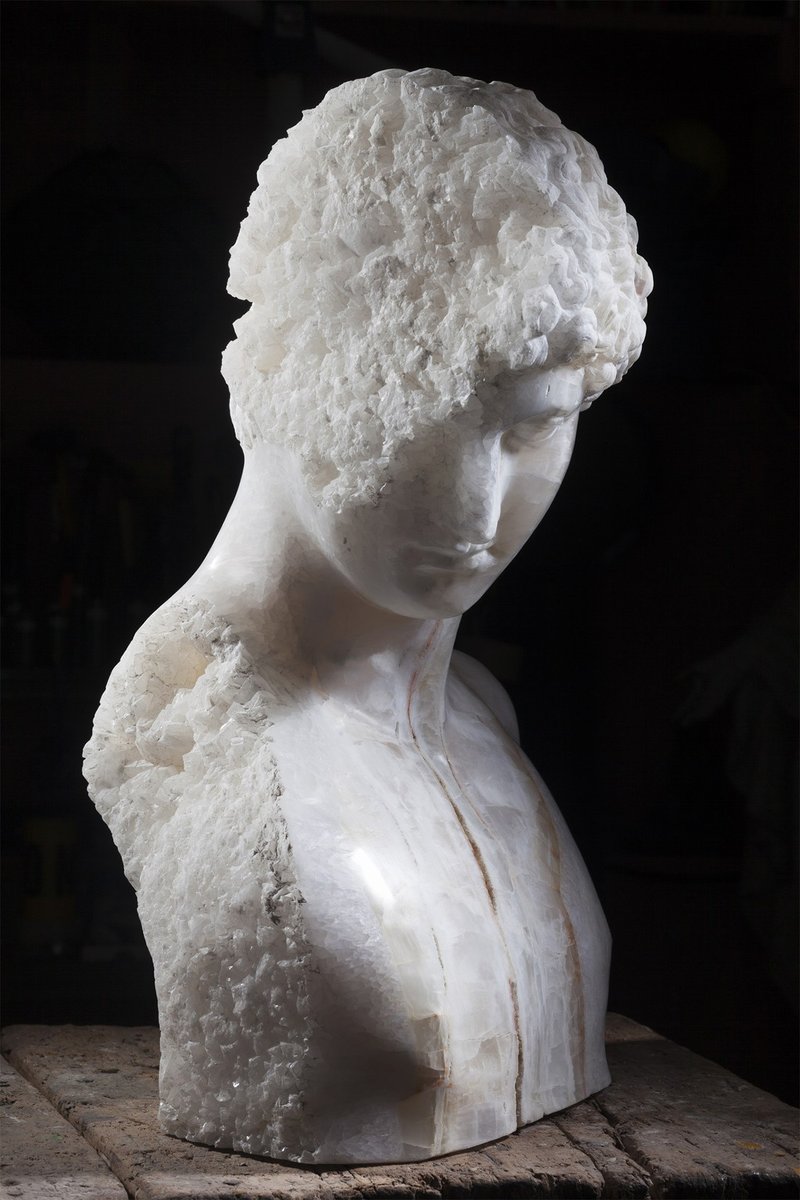
Crystal Boy by Massimiliano Pelletti, 2017. Onyx. Image via: Colossal.
2235
The Kings and Queens of England - Poster with the English monarchs from the time of Egbert, first king to rule all of Britania through until the modern day as depicted on their own coins. Credit: Dirty Old Coins, LLC.

2236
Ring with a bust of Jupiter, ca. 50 BC. - AD. 20. Collection: State Museums, Germany, Berlin, Old Museum.

2237
Illustration of the Pharos of Alexandria. © Sergey Kamshylin / Fotolia.

2238
Statue of Buddha, monastery of Tapa Kalan, Afghanistan, found in 1923. This photograph is from Paris’s Musée Guimet - Musée National des Arts Asiatiques as part of the French Museum Collection. Les archéologues en Asie Centrale by Svetlana Gorshenina.

2239
Reconstruction of the “Queen of the Night” relief depicting the goddess Ištar-Inanna, ***or*** Lilītu, female demon in ancient Sumerian religion. Credit: British Museum. Date: 1800-1750 BC., Old Babylonian.

2240
Interior of Hagia Sophia. The Hagia Sophia was the largest cathedral in the world for nearly a thousand years, until the completion of the cathedral of Seville in Spain in 1511.

2241
Maya sandstone stela (F) at Quiriguá, Guatemala, raised c. 761 A.D. Photograph date: 1880's, by Alfred Percival Maudslay.

2242
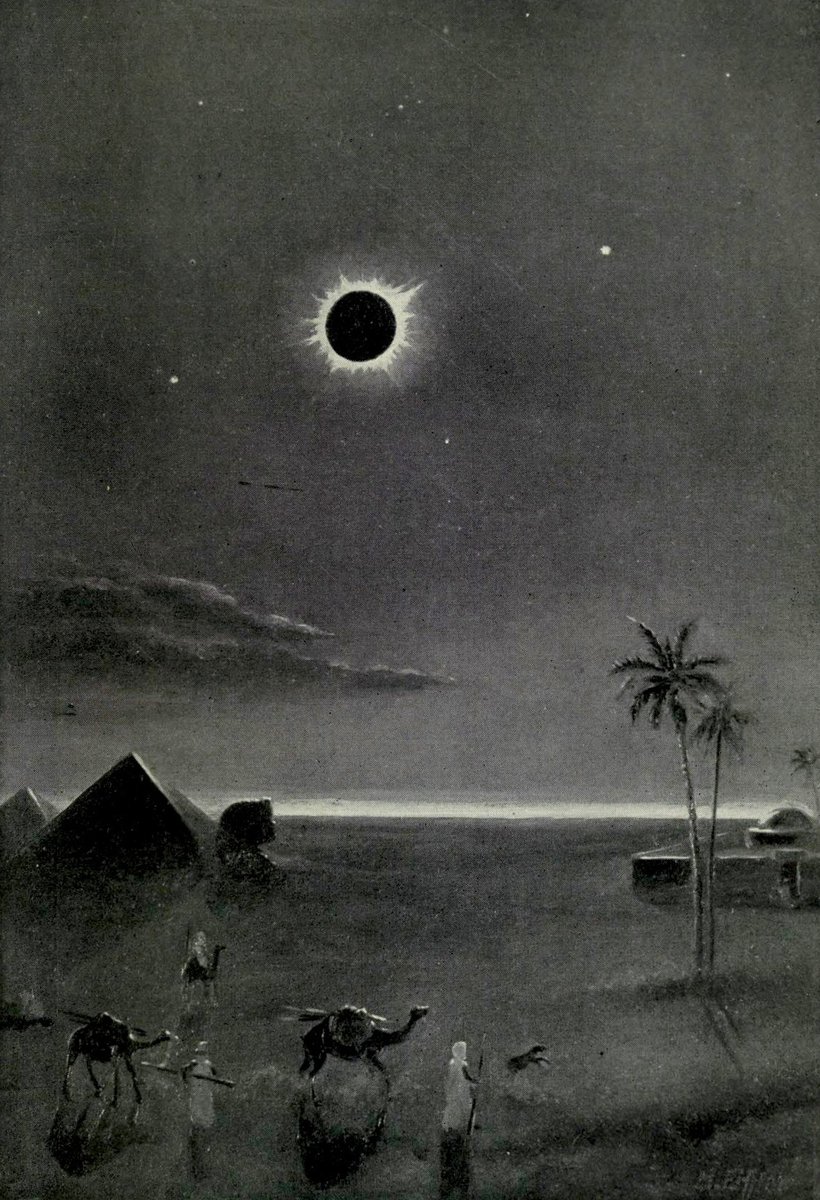
A total solar eclipse over Egypt, illustrated in a 1911 edition of Astronomy for All by Bruno Hans Bürgel (1875-1948).
2243
"Chichén Itzá Ruins, Yucatán". Photographer: Hugo Brehme c. 1905–25.
Chichén was founded about the 6th century AD, presumably by Maya peoples of the Yucatán Peninsula who had occupied the region since the Pre-Classic, or Formative, Period (1500 BC–300 AD).

2244
Boats on the Nile, 1900.
The Nile was held up to the ancient people as the source of all life in Egypt and an integral part of the lives of the gods. The Milky Way was considered a celestial mirror of the Nile and it was believed the sun god Ra drove his ship across it.

2245
Pandore by William Bouguereau, 1890. Medium: Oil on canvas.

2246
River God by Mitch Shea (b. 1987). Florence Academy of Art, IT.

2247
Detail from Bruegel’s The Suicide of Saul, 1562.

2248
Gold scorpion pendant. Place of origin: Bactria / Margiana. Date: c. 2nd Millennium BC Collection & Credit: Apollo Galleries.

2249
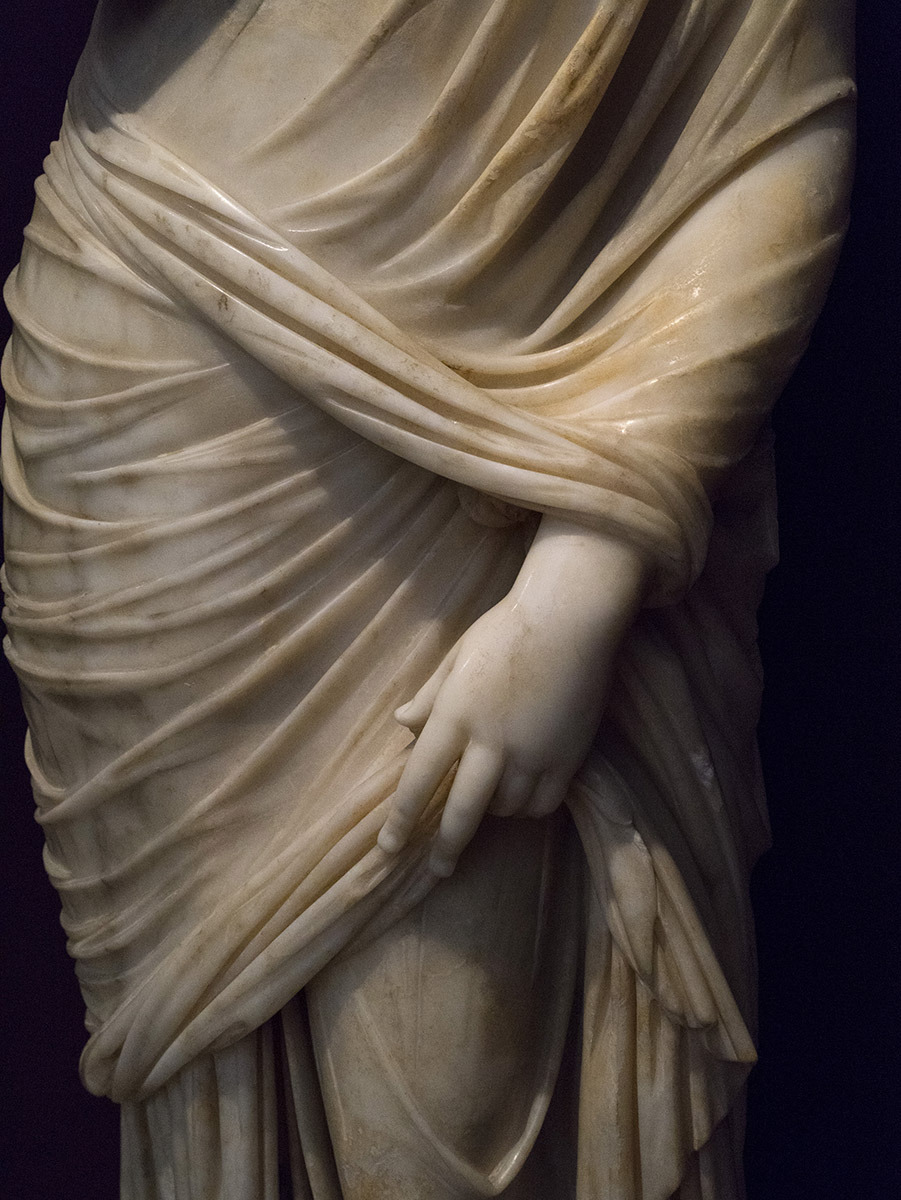
Detail, Statue of Cornelia Antonia from Antiochia in Pisidia. Medium: marble. Date: c. Ca. 160—170 AD. Collection: Istanbul, Archaeological Museums, Turkey. Photographer: Egisto Sani (CC BY-NC-SA 2.0).
2250
Brooch by Theodore B. Starr, American, ca. 1900. On view at The Met Fifth Avenue in Gallery 706. Medium: Gold, amethyst, demantoid garnet, and enamel.


Archaeology, Art, Museums, Vintage Maps, Old Photos and more. Shop account: @archaeostore Click our bio link for our designs, and more ⬇️⬇️