2126


Apulian red-figure terracotta fish plate. Attributed to the workshop of the Darius Painter; ca. 340-320 BC. Now in the Blanton Museum of Art, Austin, Texas. Photo Credit: Stock Image.



2127
The so-called Stone of the Pregnant Woman at the ancient quarry near Baalbek in Lebanon is one of the largest stone building blocks ever carved by human hands. It is 20.7 m.long, 4 m. wide, 4.32 m. high and weighs an estimated 1,000 tons. Photographer: (?) - c. 1920s.

2128
Bridal Crown c. 1520. Collection: Nationalmuseet, Denmark. Photographer: Lennart Larsen.

2129
Assyrian letters on cuneiform tablets written around 1900 BC. Credit & Collection: British Museum.

2130
Vulture Collar of Tutankhamun. The vulture collar, the symbol of the protection of the goddess Nekhbet, patroness of Upper Egypt. From the Tomb of Tutankhamun. Photo Credit: Alamy/Stock Image.


2132
Alessandro Sicioldr, 1990- The black Sphinx or Black Sun, 2017, oil on linen, 75x55 cm.

2133
Terracotta Panathenaic prize amphora. Date: ca. 530 B.C. Attributed to the Euphiletos Painter. On view at The Met Fifth Avenue in Gallery 153. The Panathenaic Games were held every four years in Athens in Ancient Greece from 566 BC to the 3rd century AD.

2134
The Maya archaeological site of Muyil, located in the modern State of Quintana Roo, Mexico. It is thought to date from approximately the Middle Formative period (before 400 BC), and was continuously occupied up to the arrival of the Spanish. Photograph: Stock Image.

2135
Silver mounted German hunting sword, c. 19th century. Collection & Credit: Czerny’s International Auction House.

2136
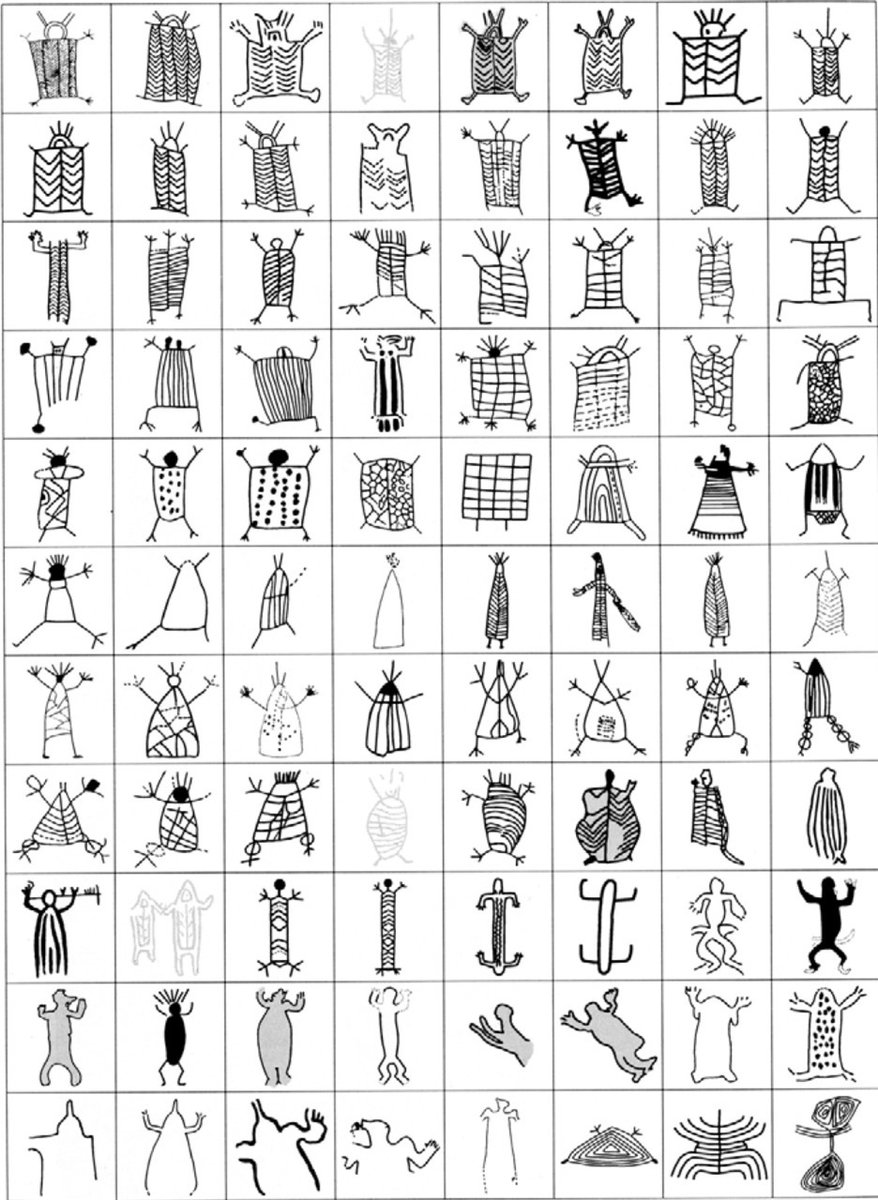
“Human Figures” in the Cave Paintings of Southern Venezuela. Credit: John Greer and Mavis Greer.
2137
Ostrich Fan of Tutankhamun. From the Tomb of Tutankhamun (KV62), Valley of the Kings, West Thebes. Now in the Egyptian Museum, Cairo.

2138
Jayne Mansfield posing in front of the Venus de Milo statue in the Louvre Museum, 1956. Photographer: Marilyn Silvertsone, France, Paris.

2139
Johann Melchior Dinglinger (German goldsmith, 1664 - 1731) - Sun mask with facial features of August II (the Strong) as Apollo, the Sun God, 1709. Rüstkammer, Staatliche Kunstsammlungen, Dresden, Germany.

2140
Roman mosaic showing fishermen battling a giant octopus. On view at the Archaeological Museum of Mytilene, Lesvos, Greece.

2141
Moai, Easter Island. Carved by the Rapa Nui people, the monolithic sculptures were made between 1250 and 1500. Photo: Stock Image.

2142
View of the Cheops pyramid. Photographer: Maison Bonfils (Beirut, Lebanon), ca. 1867-1899.

2143
Princess Nirgidma of Torhut (or Princess Nirdzhidma), Mongolia. Photograph: The National Geographic Magazine July - December 1932.

2144
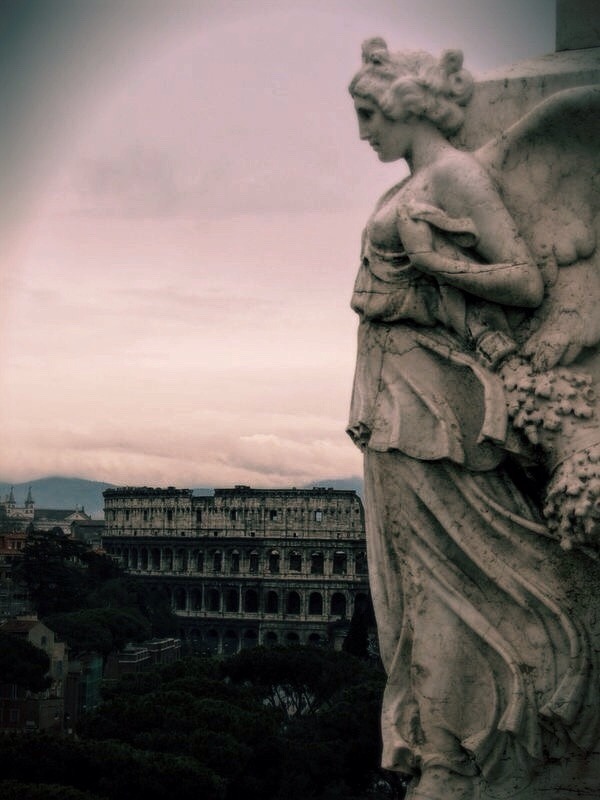
“As long as the Colosseum stands, Rome shall stand; when the Colosseum falls, Rome will fall; when Rome falls, the whole world will fall.” #eternalcity
2145
Armlet of Queen Ahhotep I. Second Intermediate Period, 17th Dynasty, ca. 1560-1530 BC. From Dra’ Abu el-Naga’, West Thebes. Now in the Egyptian Museum, Cairo.

2146
Egyptian words and phrases that incorporate the honey bee hieroglyph. (Photo: Gene Kritsky via World Media Foundation)

2147
Parade burgonet of Emperor Charles V by Filippo and Francesco Negroli, Milan, 1545. Medium: steel, gold 25 x 23 x 35.7 cm.

2148
Carnelian crocodile pendant. Culture: Egypt, 20th-18th century BC. Collection: The Michael C. Carlos Museum, Georgia, US.

2149
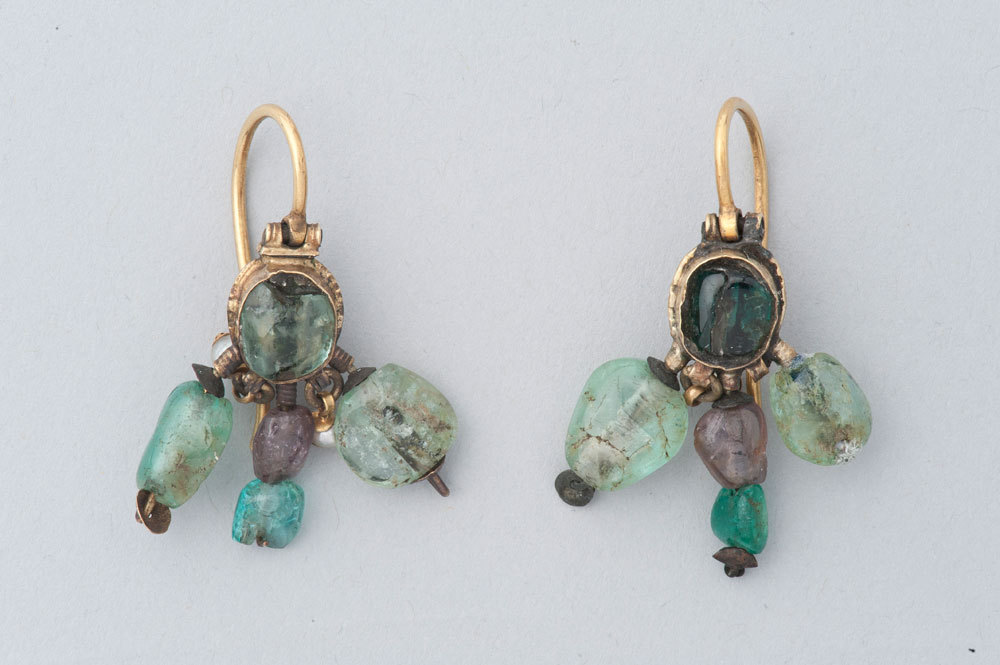
Emerald Earrings. Date: A.D. 1st-3rd century (modern gold hooks). Culture: Roman Medium: Gold, emeralds, amethysts and pearls. Collection: Johns Hopkins Archaeological Museum, Baltimore, US.
2150
Martin Johnson Heade - Two Owls at Sunset, 1860.


Archaeology, Art, Museums, Vintage Maps, Old Photos and more. Shop account: @archaeostore Click our bio link for our designs, and more ⬇️⬇️