2226


Mazeppa and the Wolves (1826) - Horace Vernet.



2227
Prehistoric rock art in Iran’s Teimareh Valley. They are believed to depict hunters on horseback, snowfall, a wolf, an Asiatic cheetah, and lions. Photos by Babak Tafreshi.

2228
Map of Greek Mythology. Designer - Credit: Hazel Newlevant.

2229
The Second Delphic Festival, 1930. Photograph by Maynard Owen Williams, National Geographic.

2230
Mummiform Falcon with Inscribed Menat. Place of origin: Egypt Period: Third Intermediate Period (1070 - 712 B.C.) Medium: Wood, gesso and polychrome paint. Now on display at the Los Angeles County Museum of Art.

2231
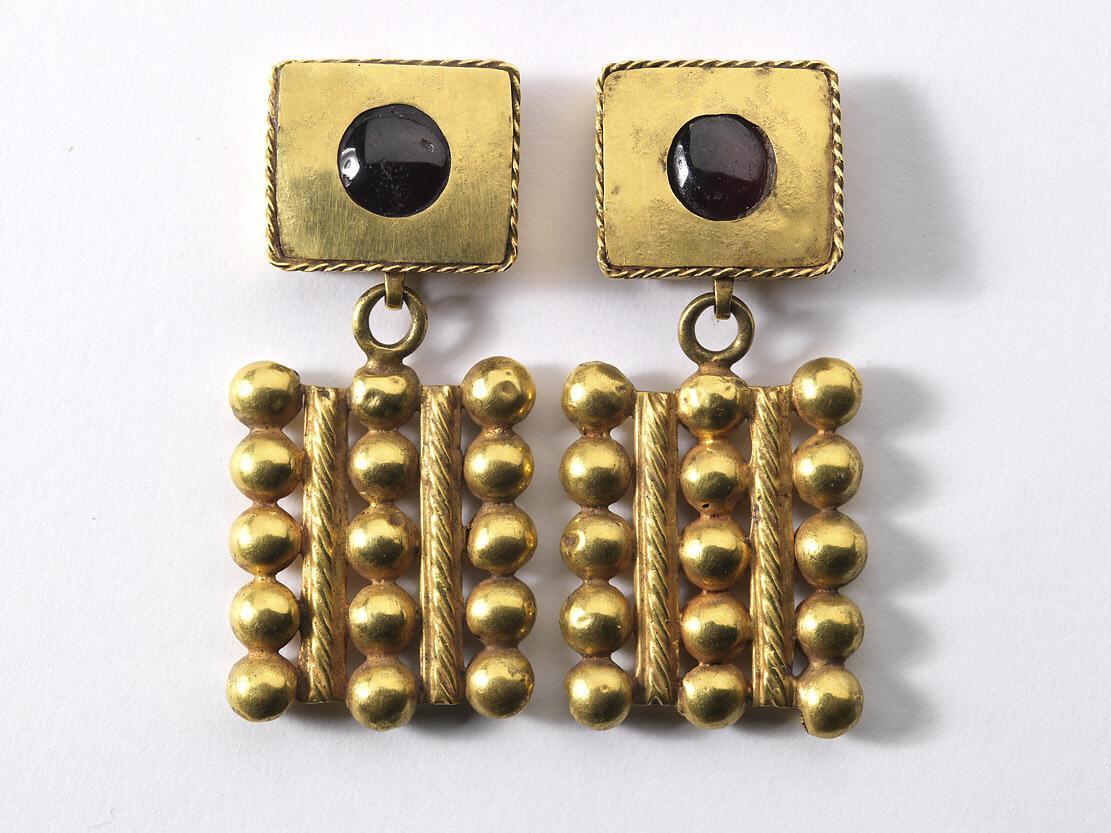
Pair of earrings. Place of origin: Eastern Mediterranean. Date: A.D. 200-300 - Period: Roman Imperial period. Medium: Gold set with garnet.
2232
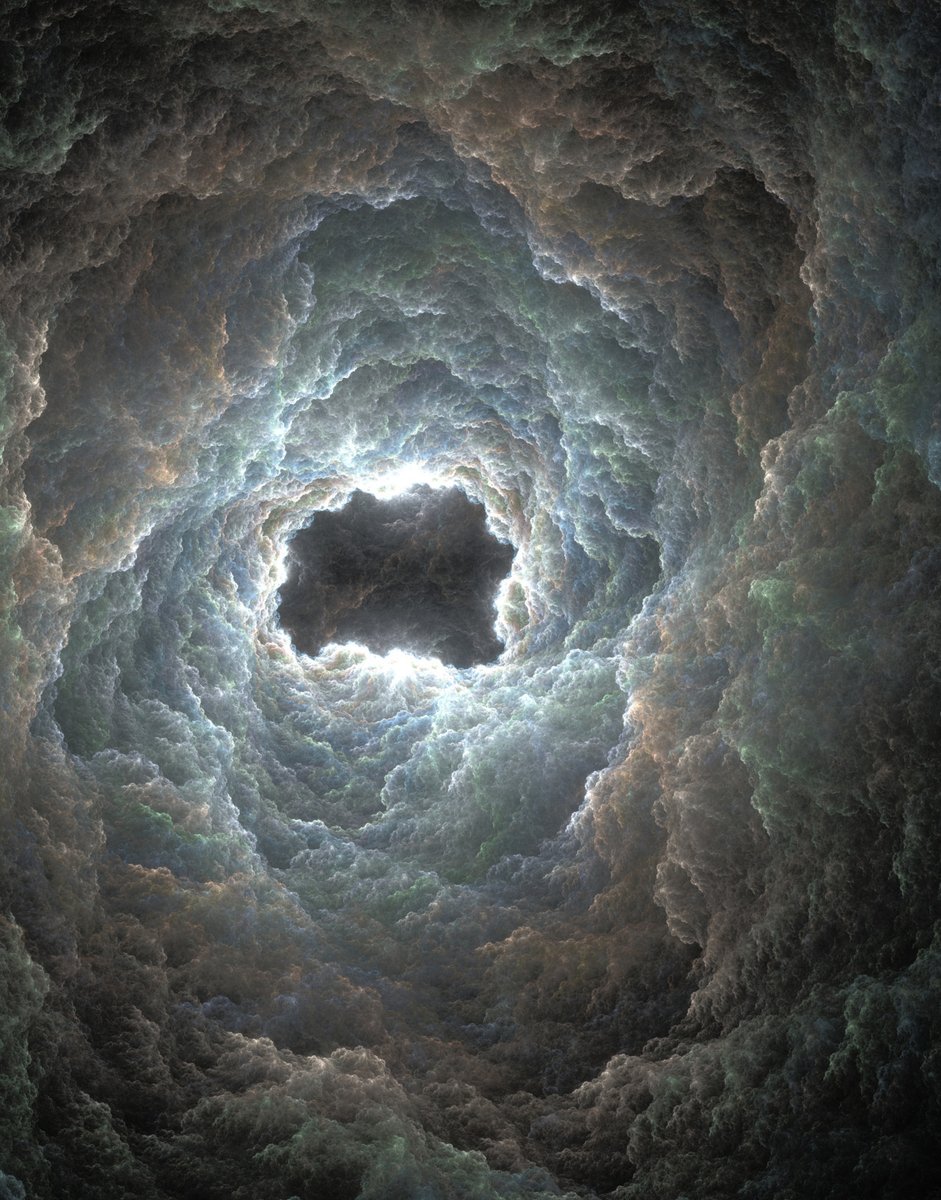
Heavenly Ambiance by DesignsbyAmerianna.

2234
Offering to Isis by Edward John Poynter (20 March 1836 – 26 July 1919) .

2235
Statue: Goat Head. Culture: Sumerian. Place of origin: Near Eastern, Iraq. Period: Pre-Sargonic. Materials: Copper, Mollusk, Shell and Stone. Now on display at the Penn Museum.

2236
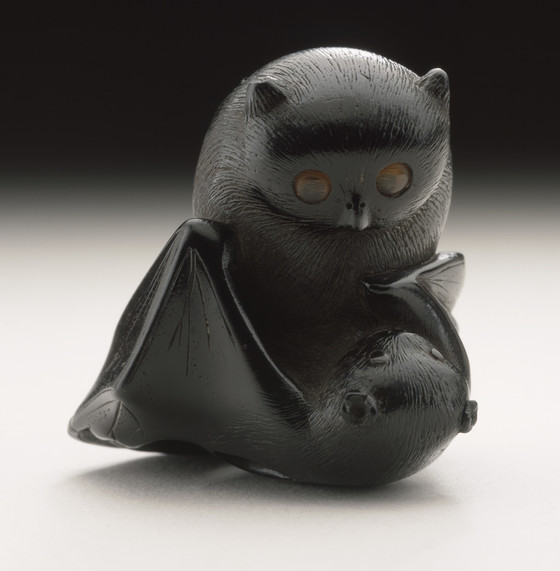
Owl Attacking a Bat by Hōraku (Japan, active early to mid-19th century). Medium: Ebony with inlays. Collection: Los Angeles County Museum of Art.
2237
An ancient Roman bridge spans the Wadi al Murr in Mosul - Iraq, 1940's. Photographer: Aurel Stein.

2238
Stained Glass Window, Spring. Place of origin: Paris. Date: 1894. Designes/Makers: Eugène Grasset and Felix Gaudin. Medium: Glass, lead. Collection: Musée des Arts Décoratifs.

2239
Long considered a modern invention, animation has apparently been lying about its age. A 5,200-year-old bowl found in Iran’s Burnt City in the 1970s features a series of five images that researchers have only recently identified as being sequential, much like those in a zoetrope

2240
The oldest animation created by man 3.000 BC. Discovered in Burnt city, modern-day Iran.
2241
Ba amulet from the tomb of Prince Hornakht, son of Osorkon II. The Ba amulet, found on the body of the prince assured the deceased of reunion with his soul. Medium: Gold, lapis lazuli. 3rd Intermediate Period, 22nd Dynasty, ca. 874-850 BC. Now in the Egyptian Museum, Cairo.

2242
Marduk, sun god of Babylon, with his thunderbolts pursues Anzu after Anzu stole the Tablets of Destiny. Black and white crop of full plate scan, from Austen Henry Layard’s ‘Monuments of Nineveh, Second Series’ plate 19/83, London, J. Murray, 1853.

2243
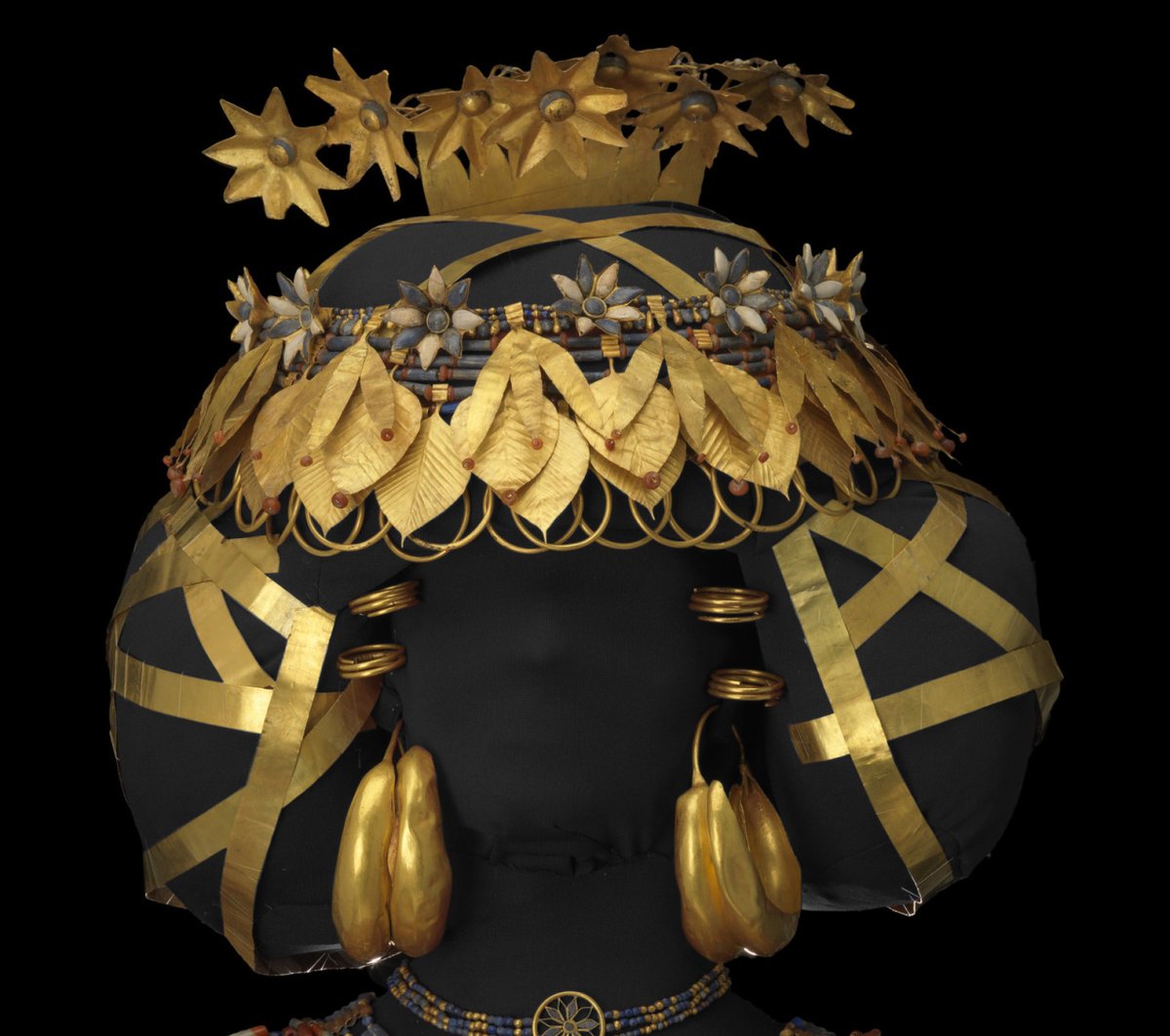
Queen Puabi's headdress is a 2600-2450 BC Mesopotamian crown consisting of ornate gold leaf wreaths, strands of lapis lazuli and carnelian beads, with a gold comb, and delicate hair ribbons.



2244
Men walk along the Processional Road to Nebuchadnezzar’s Throne Hall. Location: Babylon, Iraq. Photographer: Underwood & Underwood /National Geographic Stock.

2245
Ancient Egyptian amethyst pendant in the shape of a cat, dated to the Late to Ptolemaic period, or 664-30 BC.

2246
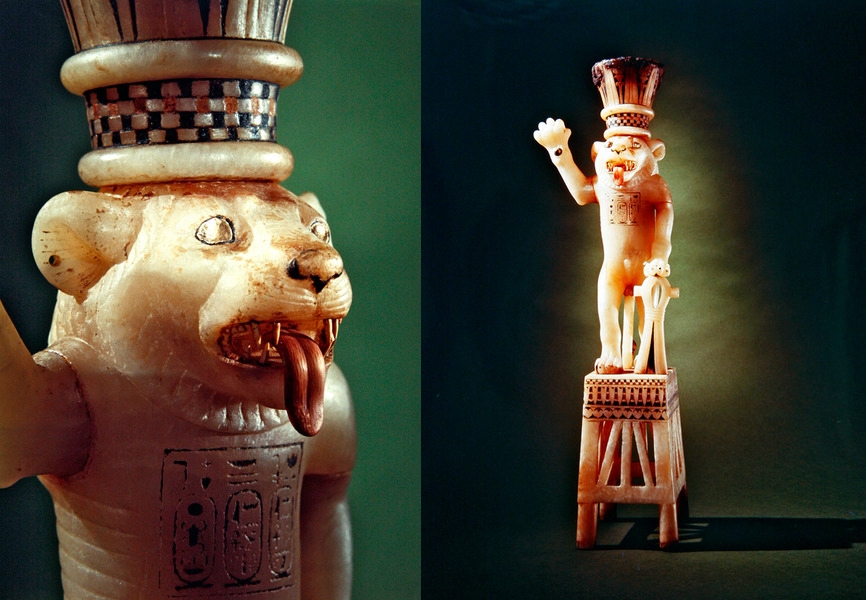
Leomorphic unguent vase, from the Tomb of Tutankhamun, New Kingdom (alabaster). Photo © Boltin Picture Library / Bridgeman Images.
2247
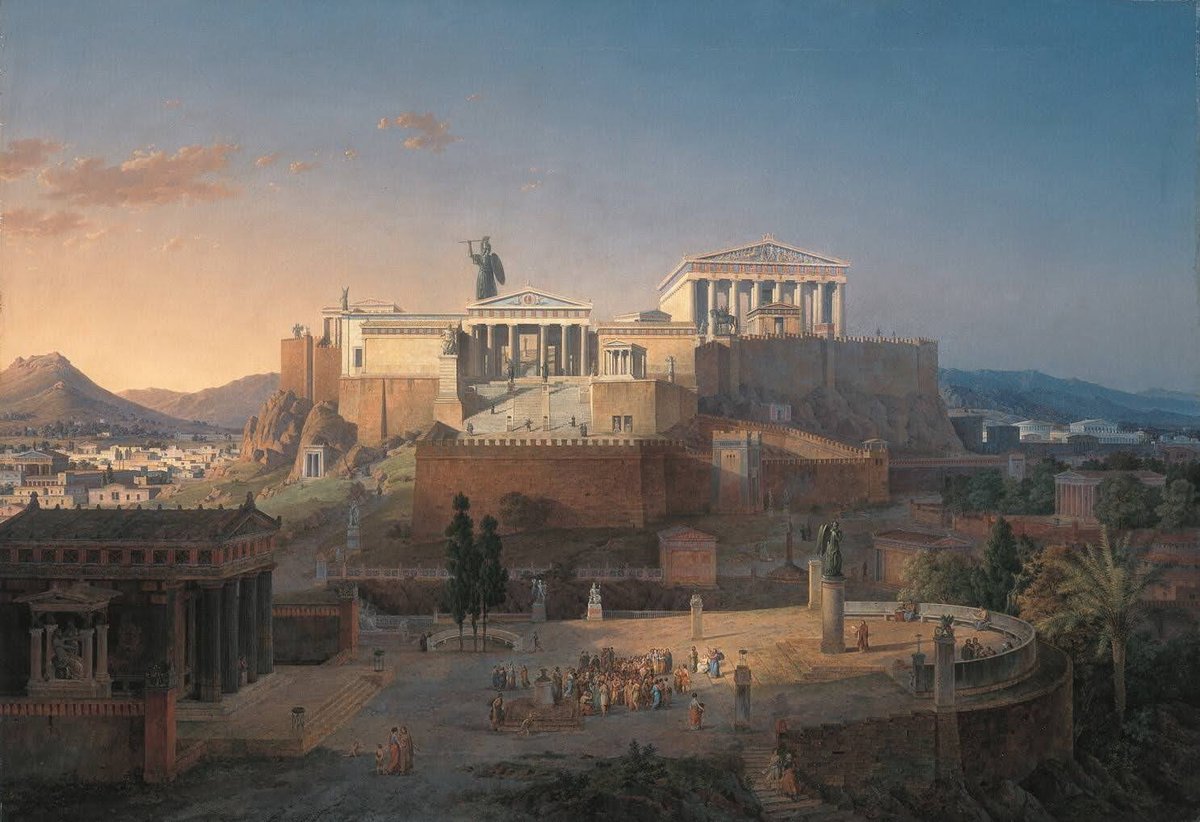
The Acropolis at Athens - Leo von Klenze, 1846. (Neue Pinakothek, Munich).
2248
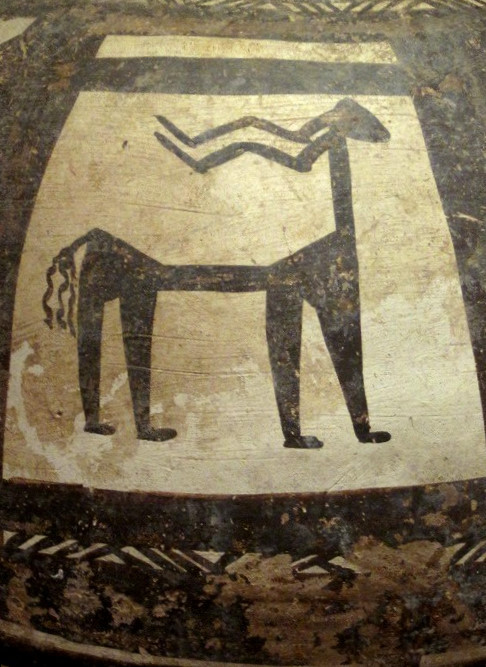
Painted antelope on a 5000-year-old “Ninavite 5” jar found in Northern Mesopotamia. Boston Museum of Fine Arts, Boston, MA. Photo by Babylon Chronicle.
2249
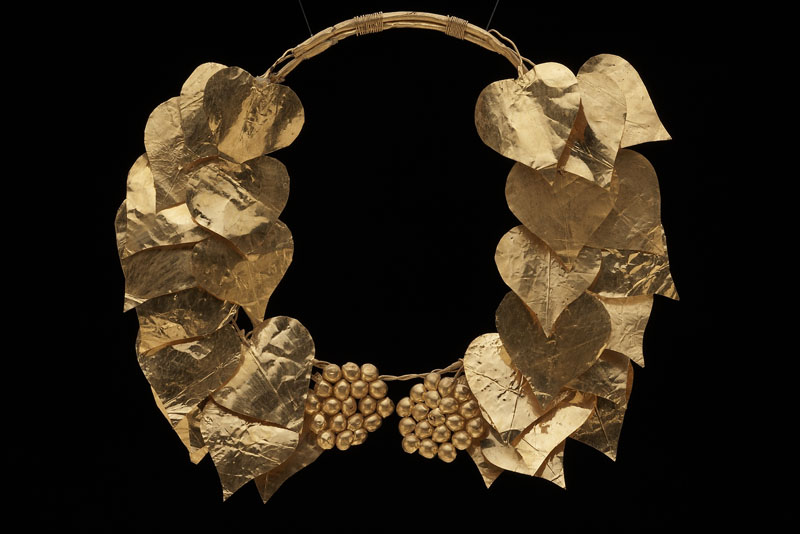
Gold Ivy and Fruit Wreath found in Chalkidike, Macedonia, Greece, late 4th century BC. Archaeologists have unearthed only two similar Macedonian wreaths. They claim that they were used by priests during Dionysus’ feast.
2250
Sassanian Bronze Bust of King Shapur II. Date: Sassanian, 4th century A.D. Material: Bronze. Private Collection.


Archaeology, Art, Museums, Vintage Maps, Old Photos and more. Shop account: @archaeostore Click our bio link for our designs, and more ⬇️⬇️