1951


1st century AD fresco depicting a Nilotic scene with a tribe of pygmies fighting a hippopotamus and a crocodile. The fresco is part of a cycle found in the garden of a domestic dwelling known as Casa del Medico (House of the Physician), in Pompeii.



1952
Dress. Place of origin & Culture: Lakota People, c.1900. Collection: National Museum of the American Indian, Washington, DC.

1953
Pin (Fibula) with Snail Roman, Imperial period, 2nd-3rd century A.D. Museum of Fine Arts, Boston. #museumweek

1954
A sprinter runs a race in the amphora from the 500s BC. Image via blog.britishmuseum.org

1955
Comb - ibex with a knee. New Kingdom, Eighteenth Dynasty (c . 1550-1425 BC.) . © Musée du Louvre.

1956
“Aurore boréale” by Frederick Edwin Church, 1865.

1957
The Venus of Hohle Fels is 40,000 - 35,000 years old. She is one of oldest depictions of a human in the world. Unearthed in 2008 in Hohle Fels, a cave near Schelklingen, Germany. Photo: Ramessos via Wikimedia Commons.

1958
The Royal Game of Ur. Date: 2600-2400 BC. Place of origin: Iraq,Royal Cemetery Period/culture:Early Dynastic III. Medium: Wood, shell. Now on display at the British Museum. The Royal game of Ur is an ancient game and not everything about the game is known including its name.

1959
Fayum Mummy Portraits - Egypt, c. 200 AD. They belong to the tradition of wood painting. They are faces of men, women, young people and children, painted mostly on boards, fixed with the bandages of their mummies on their faces.


1960
Bilingual Sumerian Proverbs, Babylonia c. 2000-1700 BC. Written in Neo Sumerian and Old Babylonian cuneiform on clay, containing 42 proverbs, a folk tale and a fable.This is the only known major bilingual proverb tablet of Old Babylonian origin. More: schoyencollection.com/24-smaller-col…

1961
Hornsea Pottery Cat Cruets designed by John Clappison (1937 – 2013).

1962
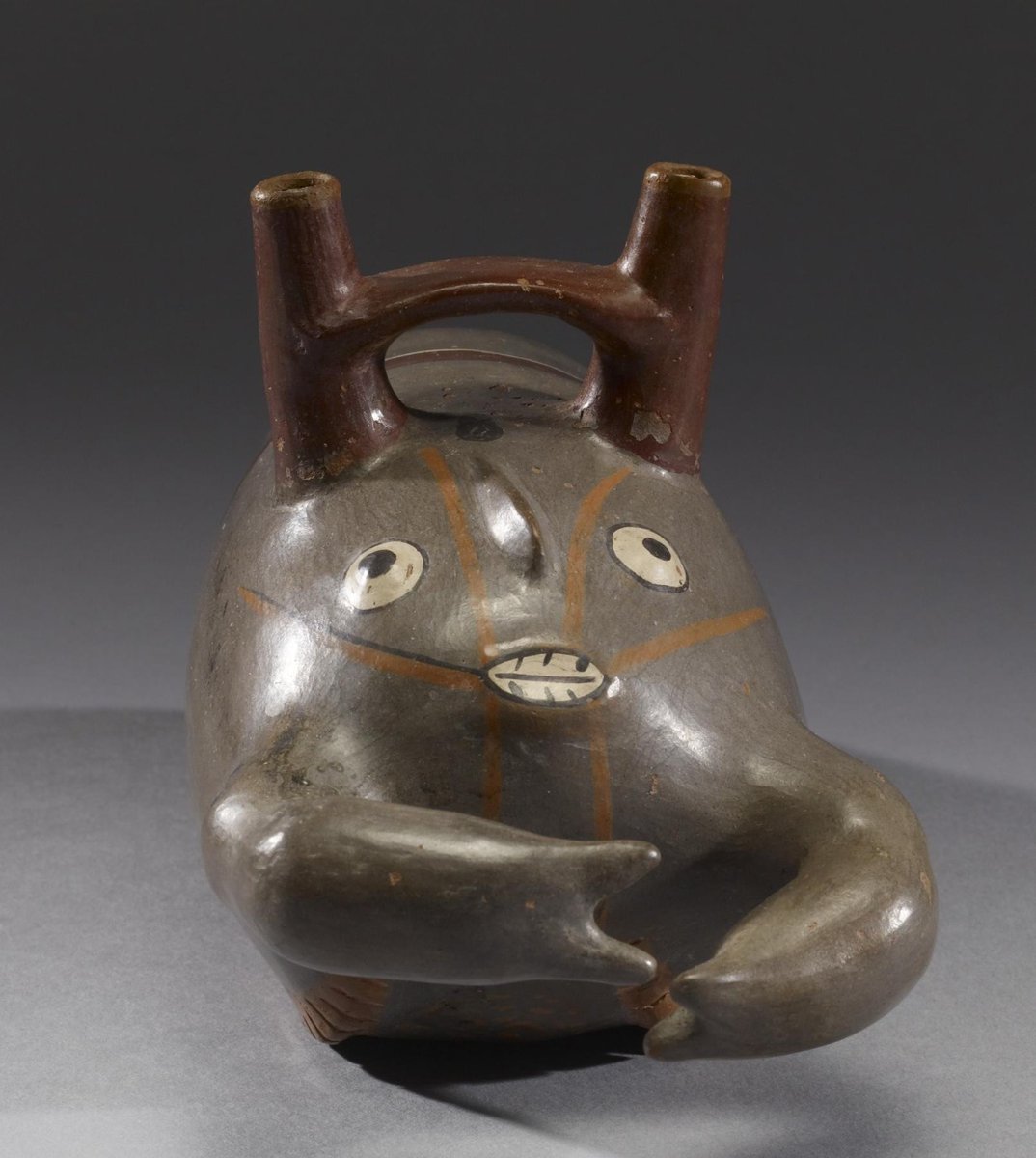
Lobster Effigy Vessel. Place of origin: South Coast, Peru. Culture: Nazca. c. 300-600 AD. Collection: The Walters Art Museum.
1963
Carina by John William Godward, 1910), detail.

1964
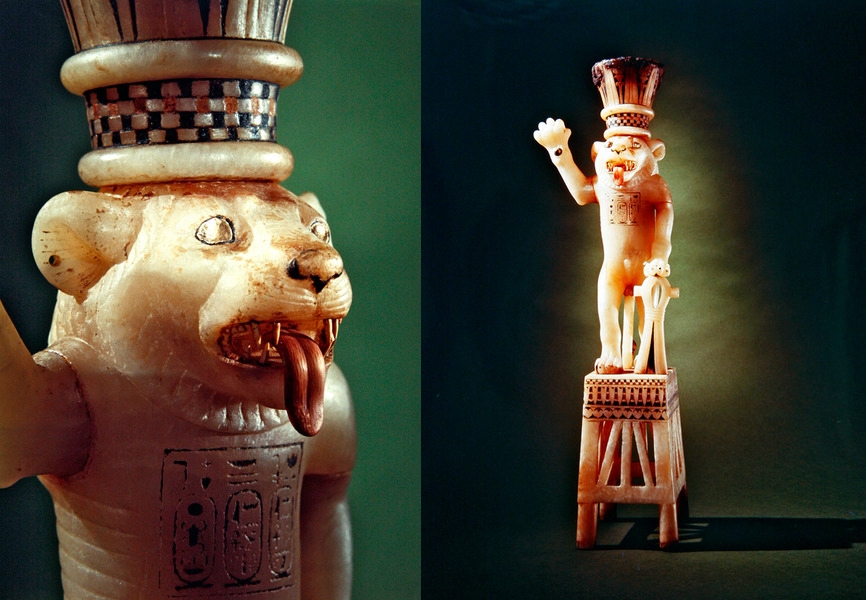
Leomorphic unguent vase, from the Tomb of Tutankhamun, New Kingdom (alabaster). Photo © Boltin Picture Library / Bridgeman Images.
1965
Mosaic pavement of a 6th century synagogue at Beth Alpha, Jezreel Valley, northern Israel. It was discovered in 1928. Signs of the zodiac surround the central chariot of the Sun, while the corners depict the 4 “turning points” of the year, solstices and equinoxes

1966
Ships of the World in 1460 (Fra Mauro Map): Chinese Junks, Arabian Ships, Indian Ships, and European Ships.

1967
Bird, Roman fresco, garden from Villa Livia, Rome, 5th c. A.D, National Roman Museum, Rome.

1968
Gold griffin protome. Culture: Greek, 7th century BC. Collection & Credit: Phoenix Ancient Art.

1969
The Uraeus cobra that once adorned the crown of Pharaoh Senusret II, likely dropped when his pyramid was looted in antique. It’s made from Solid gold and adorned with black granite, Ultramarine pigment, Turquoise and carnelian inlays. Egypt, 12th Dynasty, 1991 to 1803 BC.

1970
Roman copy of Aphrodite, the Greek goddess of love and beauty, unearthed near the ruins of Sinuessa, modern-day municipality of Mondragone, Campania, Italy. Photo Credit: National Geographic, June 1981.

1971
Orion rising above "El Castillo" (Spanish for "castle"), also known as the Temple of Kukulkan. El castillo was built by the pre-Columbian Maya civilization sometime between the 9th and 12th centuries. Photographer: © Stéphane Guisard

1972
Detail, La Vérité by Jules Joseph Lefebvre, 1870. Collection: Musée d'Orsay.

1973
Gold scorpion pendant. Place of origin: Bactria / Margiana. Date: c. 2nd Millennium BC Collection & Credit: Apollo Galleries.

1974
Lotus blossoms from the tomb of Kagemni in Saqqara, Egypt. 6th dynasty. Photo taken by Hervé Champollion.


Archaeology, Art, Museums, Vintage Maps, Old Photos and more. Shop account: @archaeostore Click our bio link for our designs, and more ⬇️⬇️